DISCLAIMER: GoldInvestors.news is not a registered investment, legal or tax advisor or broker/dealer. All investment/financial opinions expressed by GoldInvestors.news are from the personal research and experience of the owner of the site and are intended as educational material. Although best efforts are made to ensure that all information is accurate and up to date, occasionally unintended errors and misprints may occur.
Gold’s recent pause from a blistering rally does not erase the enduring economic forces that give the metal its staying power, including persistent uncertainty about growth trajectories, currency debasement risks, and the need for credible store of value assets in volatile times.
The structural bedrock supporting precious metals remains intact and, in a shifting environment of debt and policy risk, tilts toward gold over silver, according to a seasoned market analyst who has watched cycles for decades.
Here's What They're Not Telling You About Your Retirement
Debt levels around the globe have risen to heights that make standard policy responses more uncertain and less reliable, forcing investors to price a wider range of potential outcomes into asset markets.
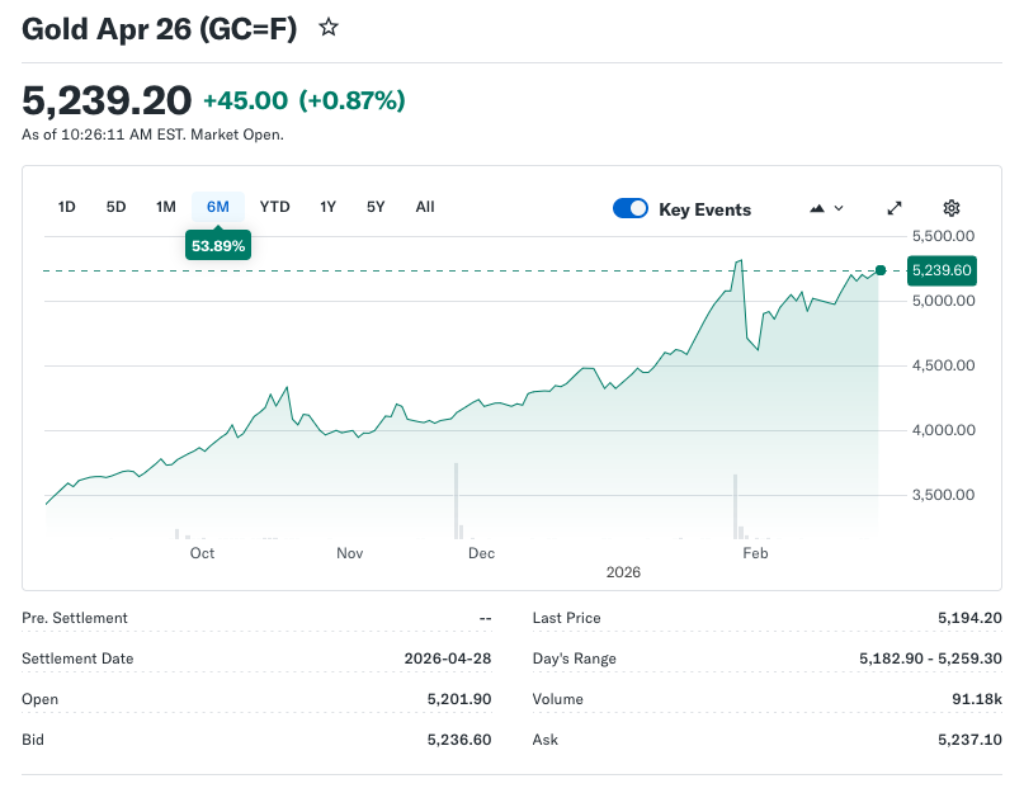
That uncertainty tends to lift safe haven assets like gold, which is seen as a store of value when governments face deficits and inflation risk, particularly when real consumer and investor sentiment darkens.
Gold’s appeal is reinforced by central bank balance sheet expansion and persistent inflation expectations, which tend to undermine real rates and attract long term investors seeking diversification and a hedge against policy error.
Silver, while it shares some of gold’s monetary appeal, carries heavier industrial considerations that can mute its performance when the economy slows, making it more vulnerable to risk on risk off swings.
This Could Be the Most Important Video Gun Owners Watch All Year
The dynamic has been amplified by policy uncertainty that clouds fiscal planning and regulatory direction, forcing businesses and households to adapt to shifting incentives and potential tax or subsidy changes.
Investors often turn to gold as a form of insurance when the policy outlook is foggy, even if prices wobble in the short run, because the metal has historically demonstrated resilience during periods of political theater and macro shocks.
Silver benefits from industrial demand tied to electronics, solar energy, and manufacturing cycles, but that makes its price more cyclical and sensitive to the health of the real economy, which can squeeze margins and investment demand when capital spending cools.
When policy risks rise or growth stalls, those industrial drivers can retreat first, leaving gold as the steadier asset that can anchor a portfolio during drawdowns and volatility.
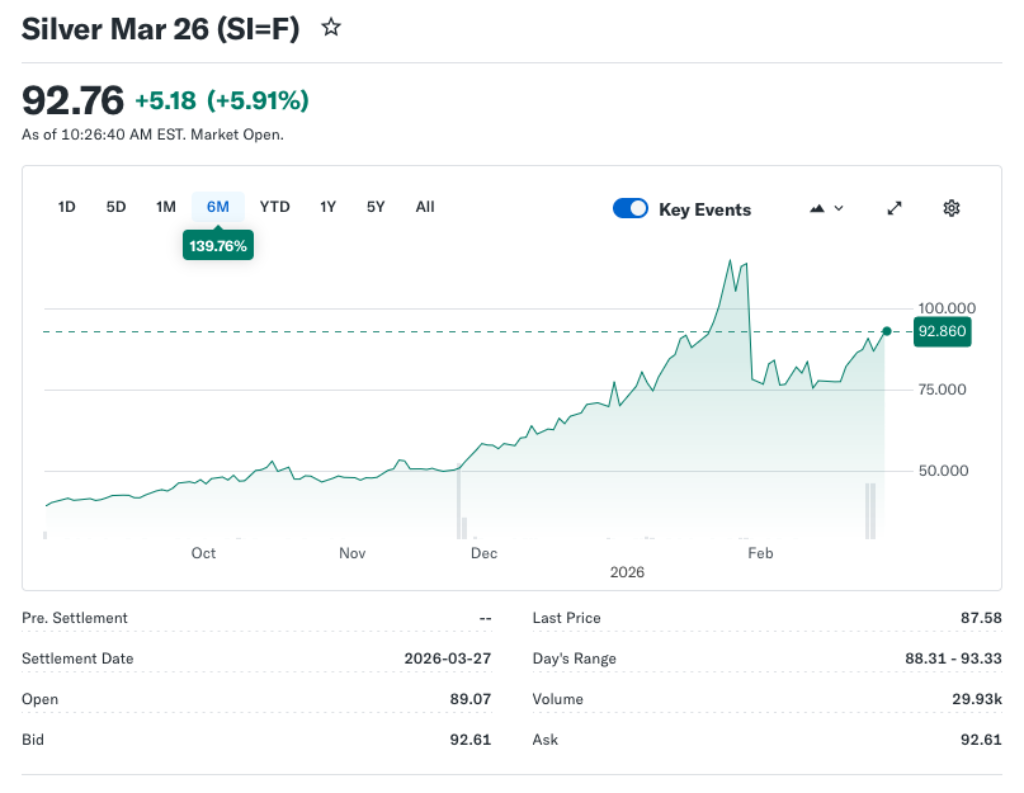
Market observers point to growth in exchange traded funds and physical demand as evidence that gold remains well supported, with allocators rebalancing towards bullion as currency uncertainty grows and as geopolitics introduce new tail risks.
These flows tend to accelerate when risk aversion rises and when real yields stay stubbornly negative, reinforcing the precious metal’s appeal as a trusted store of value and a liquidity fortress during turbulence.
From a portfolio standpoint, the divergence between gold and silver offers a natural hedge against inflation and chronic deficits, improving the one two punch of diversification and risk management for investors who fear fiscal misjudgments. Gold’s stability in an uncertain policy environment makes it a more reliable anchor for long only and risk parity strategies, because it tends to move less in line with industrial cycles and financial leverage.
Historically, gold has prospered when deficit spending and currency debasement risk intensified, a pattern that echoes across cycles when policy makers lean toward stimulative remedies rather than structural reforms.
Silver has opportunities when growth accelerates and industrial demand remains robust, but its fate is more tied to the business cycle and the health of sectors like manufacturing and solar technology.
For investors who own both metals, a tilt toward physical gold or gold equities could serve as a defensive posture in moments of uncertainty when liquidity becomes a concern and the dollar gains ground against major portfolios.
Silver might still offer upside exposure during a broader rally, but its dependence on the real economy creates a more erratic ride that can amplify volatility and test discipline during drawdowns.
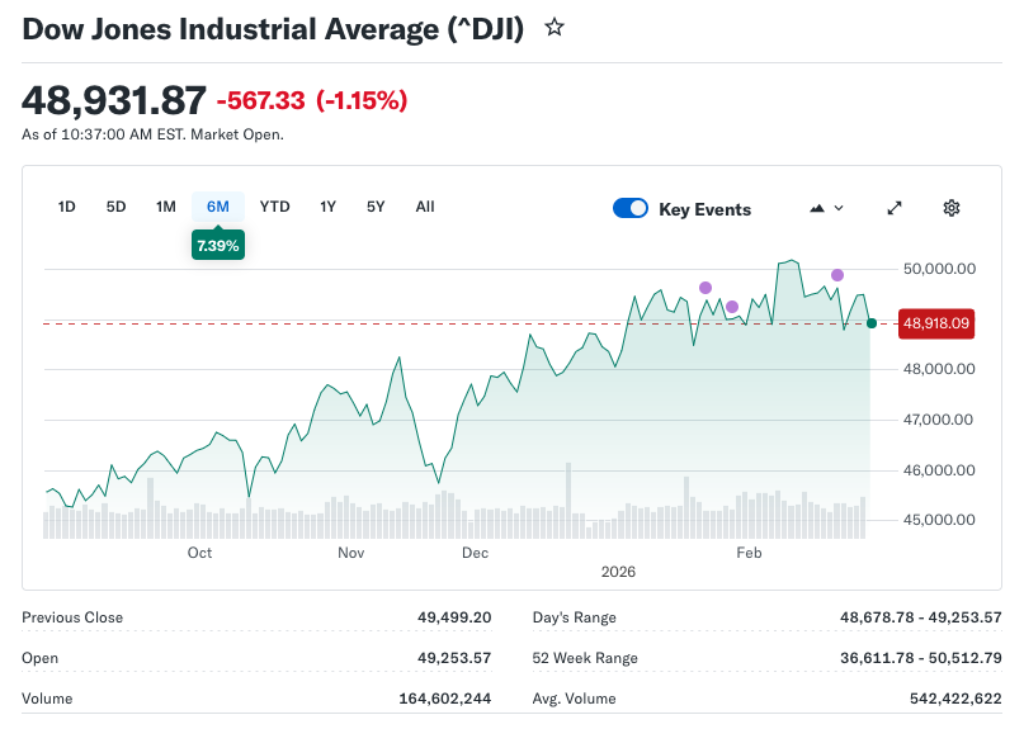
The fundamental setup favors gold’s role as a monetary asset in a world of uncertain policy and uneven economic momentum, where central bank actions and fiscal commitments can diverge and create mispricings that gold seeks to exploit.
That difference between the metals should become more evident over time, particularly if inflation pressures persist and rate expectations remain mixed, as investors distinguish between monetary metal and industrial metal in their allocation models.
Of course, timing remains challenging, and gold itself can exhibit volatility during periods of shifting liquidity conditions, as hedge funds adjust leverage and retail demand responds to headlines about deficits and policy shifts.
Yet the longer arc favors the yellow metal as a defensive anchor when fiscal fragility rises and investors demand liquidity, capital preservation, and credibility from their portfolios.
In a landscape where debt mounts and policy horizons blur, the odds are rising that gold retains the premium over silver, a trend supported by long duration capital, strategic arbitrage, and a growing chorus of central bank watchers.
Investors would be prudent to consider how gold’s monetary appeal aligns with risk tolerance and long term objectives, ensuring that the choice between yellow metal and white metal reflects goals rather than impulses.
DISCLAIMER: GoldInvestors.news is not a registered investment, legal or tax advisor or broker/dealer. All investment/financial opinions expressed by GoldInvestors.news are from the personal research and experience of the owner of the site and are intended as educational material. Although best efforts are made to ensure that all information is accurate and up to date, occasionally unintended errors and misprints may occur.
Join the Discussion
COMMENTS POLICY: We have no tolerance for messages of violence, racism, vulgarity, obscenity or other such discourteous behavior. Thank you for contributing to a respectful and useful online dialogue.