DISCLAIMER: GoldInvestors.news is not a registered investment, legal or tax advisor or broker/dealer. All investment/financial opinions expressed by GoldInvestors.news are from the personal research and experience of the owner of the site and are intended as educational material. Although best efforts are made to ensure that all information is accurate and up to date, occasionally unintended errors and misprints may occur.
Russia’s central bank disclosed a substantial drawdown of its gold reserves in January as bullion prices surged to fresh highs.
The bank said it disposed of 300,000 ounces of gold, trimming its holdings to 74.5 million ounces.
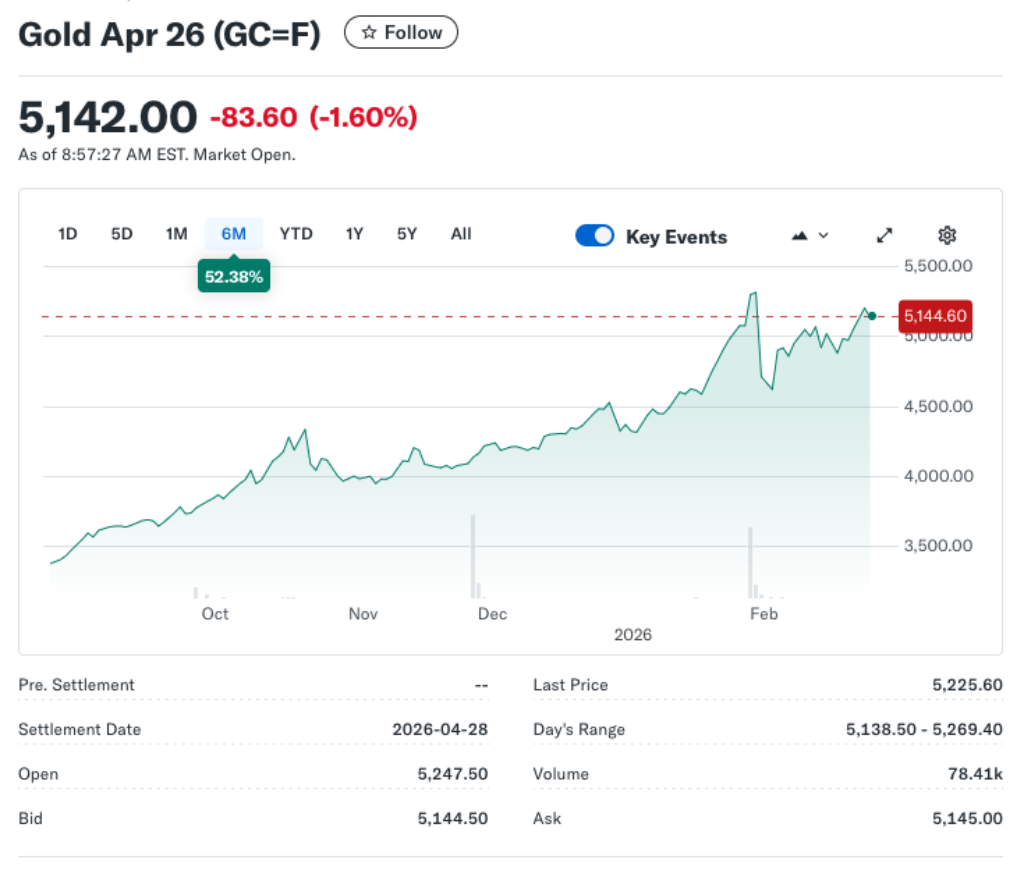
The move came as prices topped record levels above $5,500 per ounce, underscoring a moment of monetary policy attention toward reserve assets.
Analysts will watch whether this marks a longer trend of liquidity management or a one off rebalancing.
Here's What They're Not Telling You About Your Retirement
This reduction is the first since October, signaling a tactical shift in how Russia manages its bullion stockpile. Even with the sale, gold reserves remain among the world’s largest, giving policymakers substantial optionality.
The release of 300,000 ounces translates into roughly up to $1.68 billion at January price levels, a meaningful sum in the context of sovereign balance sheets.
It suggests a deliberate choice to monetize a portion of reserves while gold prices were elevated.
From a broader policy perspective the move could reflect a desire to diversify funding sources or to shore up liquidity for fiscal or external obligations.
This Could Be the Most Important Video Gun Owners Watch All Year
It also raises questions about how Russia hedges against currency risk in an environment of sanctions and geopolitical tension.
Despite the sale the central bank maintains a formidable stockpile, with gold comprising a core pillar of official reserves. The reallocations appear measured rather than the start of a sustained exit from gold.
The January sale coincided with a surge in safe haven demand that propped up prices across global markets. In that context the timing of the sale seems to be largely opportunistic given the price environment.
Russia has repeatedly underscored the strategic value of gold as a buffer against shocks and as a flexible reserve asset.
The latest data show that the central bank can raise liquidity without abandoning the metal altogether.
Market observers may interpret the move as a reminder that even with substantial gold holdings, sovereigns constantly rebalance portfolios to meet evolving needs. It also suggests a disciplined approach to reserve management rather than panic selling.
The fact that this is the first decrease since October is particularly telling in a year of volatile commodity markets. It indicates a careful assessment of ongoing macro risks and the role of gold in a sovereign balance sheet.
Prices hovering near record highs have added a geopolitical premium to gold as a strategic asset. For investors, the events underscore the importance of examining central bank activity behind the headline price moves.
As always in precious metals markets headlines alone do not tell the full story.
The real takeaway is that reserve managers still wield gold not as a relic but as a strategic tool for liquidity, diversification, and resilience.
DISCLAIMER: GoldInvestors.news is not a registered investment, legal or tax advisor or broker/dealer. All investment/financial opinions expressed by GoldInvestors.news are from the personal research and experience of the owner of the site and are intended as educational material. Although best efforts are made to ensure that all information is accurate and up to date, occasionally unintended errors and misprints may occur.
Join the Discussion
COMMENTS POLICY: We have no tolerance for messages of violence, racism, vulgarity, obscenity or other such discourteous behavior. Thank you for contributing to a respectful and useful online dialogue.