DISCLAIMER: GoldInvestors.news is not a registered investment, legal or tax advisor or broker/dealer. All investment/financial opinions expressed by GoldInvestors.news are from the personal research and experience of the owner of the site and are intended as educational material. Although best efforts are made to ensure that all information is accurate and up to date, occasionally unintended errors and misprints may occur.
Gold and silver were pressured lower in early U.S. trading as the dollar index surged to a nine month high and Treasury yields moved notably higher, signaling rising borrowing costs and a global tilt toward higher rates.
This environment stresses the traditional role of precious metals as a store of value and a hedge against inflation, at least in the near term.
Here's What They're Not Telling You About Your Retirement
That move in the dollar makes non dollar assets relatively more expensive and dents gold’s appeal as a currency hedge, complicating the narrative that inflation alone will buoy bullion.
With yields climbing and real rates inching higher, the opportunity cost of holding non yielding assets rises, pressuring both gold and silver and widening the gap versus equities.
Rising yields also attract yield seekers who compete with nonyielding assets like gold, and the shift in the allocation game is evident across major portfolios.
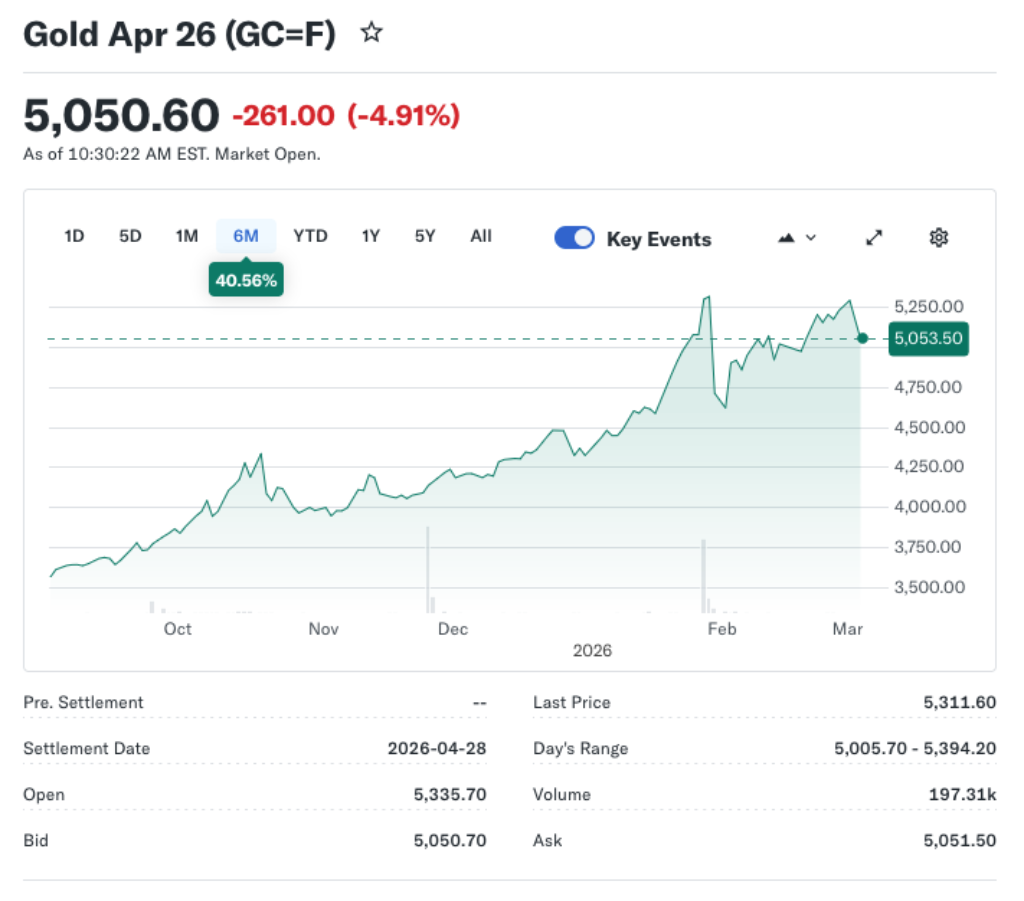
As the curve steepens and real yields move higher, investors demand greater compensation for holding metal, muting appetite for non producing assets at a time when risk assets appear more attractively priced.
This Could Be the Most Important Video Gun Owners Watch All Year
Market psychology points to a continuation of pressure until the dollar cools and yields stabilize, a dynamic that can persist for weeks if not months.
In that scenario, traders will look for supportive catalysts to reestablish footing in the metals complex, including any signs that inflation is ebbing or that policy paths are steady.
Analysts note that metal prices often hinge on policy cues and shifting inflation expectations, with central bank rhetoric sometimes delivering sharper moves than the data itself.
Any signs that price pressures are fading could help gold recover in the near term, though the regime of higher rates may keep a lid on rallies for some time.
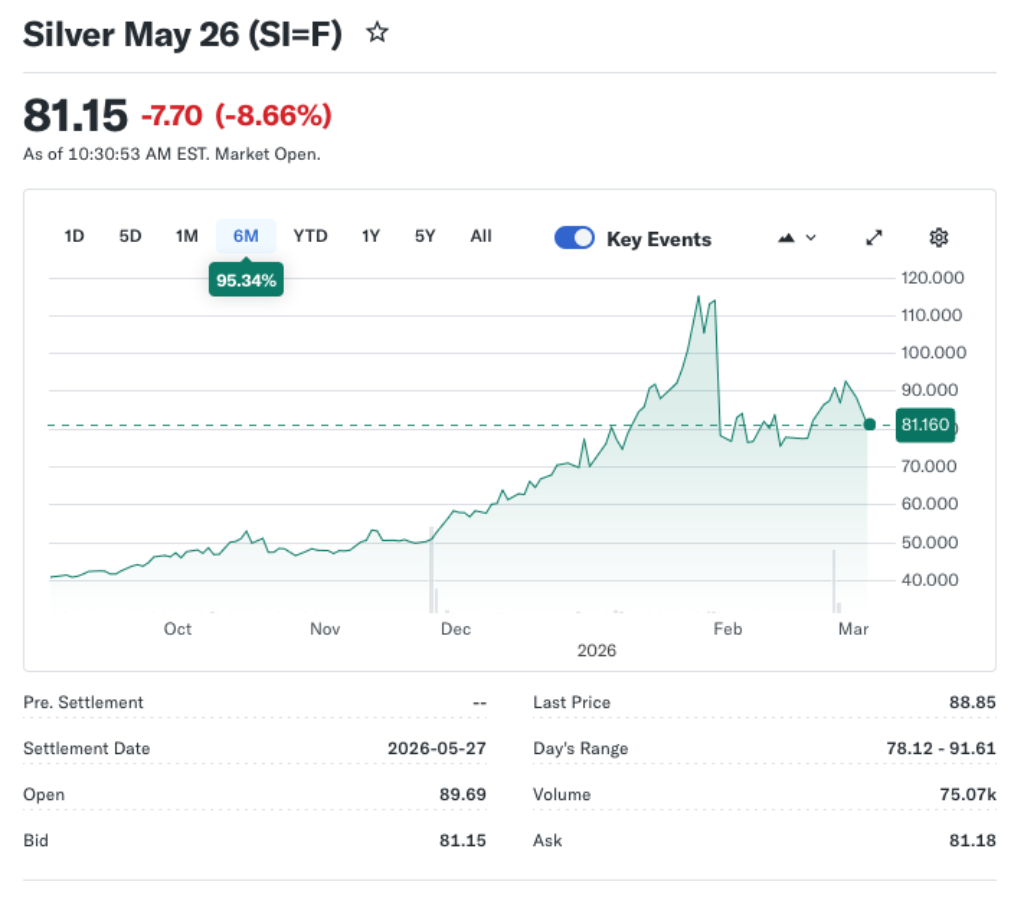
The current backdrop includes a firm dollar and rising yields as markets weigh the outlook for monetary policy, growth, and fiscal signals from Washington and abroad. That combination tends to favor cash and credit over non yield assets, dimming the appeal of precious metals while investors search for places to hide in volatility.
Gold’s dual role as a monetary store and an industrial metal means its performance is nuanced during periods of dollar strength, inflation chatter, and shifting global growth dynamics.
Silver, with its more industrial demand, tends to underperform gold when economic indicators point to higher rates and a stronger greenback, yet can outperform in periods of robust manufacturing data.
If the dollar retreats or the yield curve flattens, gold and silver could stage a rebound as risk premiums ease and liquidity returns to the metals market.
Investors should watch for shifts in global risk appetite that could change the reward dynamics, including unexpected policy signals or a cooling of financial conditions.
Exchange traded funds remain a barometer for liquid appetite, and inflows or outflows can amplify moves even when physical demand remains steady.
Physical demand from various regions, alongside central bank purchases and official sector demand, also shapes price action through seasonal demand cycles and hedging needs.
In the near term the market is balancing inflation fears against the possibility of more aggressive policy actions, a tension that can feed volatility across the entire capital complex.
That tension keeps volatility elevated even as prices trend lower, a reminder that investors must distinguish between price moves and the longer term structural story.
From a portfolio perspective, gold’s diversification role remains intact, but current conditions require disciplined risk management and clear exit strategies.
Conservatives and skeptics alike should avoid assuming immediate rebounds and instead prepare for choppier trade, maintaining liquidity and discipline as policy and growth signals evolve.
In short, the metals are contending with a strong dollar and higher yields, a combination that tests their traditional appeal for conservative investors.
Longer term, the story will hinge on inflation dynamics and policy responses, not on quick fixes, and that requires patience, nuance, and a clear understanding of risk versus reward.
DISCLAIMER: GoldInvestors.news is not a registered investment, legal or tax advisor or broker/dealer. All investment/financial opinions expressed by GoldInvestors.news are from the personal research and experience of the owner of the site and are intended as educational material. Although best efforts are made to ensure that all information is accurate and up to date, occasionally unintended errors and misprints may occur.
Join the Discussion
COMMENTS POLICY: We have no tolerance for messages of violence, racism, vulgarity, obscenity or other such discourteous behavior. Thank you for contributing to a respectful and useful online dialogue.