DISCLAIMER: GoldInvestors.news is not a registered investment, legal or tax advisor or broker/dealer. All investment/financial opinions expressed by GoldInvestors.news are from the personal research and experience of the owner of the site and are intended as educational material. Although best efforts are made to ensure that all information is accurate and up to date, occasionally unintended errors and misprints may occur.
Meta Platforms is quietly preparing to roll out its first AI models built under the direction of Alexandr Wang, a move that signals a decisive shift in how the social media giant views strategic technology leadership.
By offering at least some versions under an open source license, Meta signals its willingness to share the scaffolding of its AI architecture with developers, researchers, and enterprise buyers who have long sought transparency.
Axios reported the plan, framing it as a careful experiment intended to test whether public collaboration can accelerate practical AI deployment without compromising safety.
That framing matters because it places a premium on governance and trackable performance as Meta navigates the delicate balance between openness and control.
Here's What They're Not Telling You About Your Retirement
Developers familiar with Alexandr Wang's work at Scale AI will recognize the emphasis on scalable data pipelines and rigorous evaluation, two corners of the AI development landscape that have become critical at scale.
Meta's move to surface some models through open licensing could compress the time it takes for vetted capabilities to reach enterprises and developers, a potentially disruptive but careful gambit.
Wang's association with the project suggests Meta intends to lean into a governance model that includes community input, external audits, and clear licensing terms to reduce ambiguity.
That approach may help assuage concerns about data handling and model safety while preserving the competitive edge that comes from a fast iteration cycle.
This Could Be the Most Important Video Gun Owners Watch All Year
Investors will be watching how open licensing affects the cost structure of Meta's AI push, because the model is likely to influence everything from cloud spend to licensing revenues.
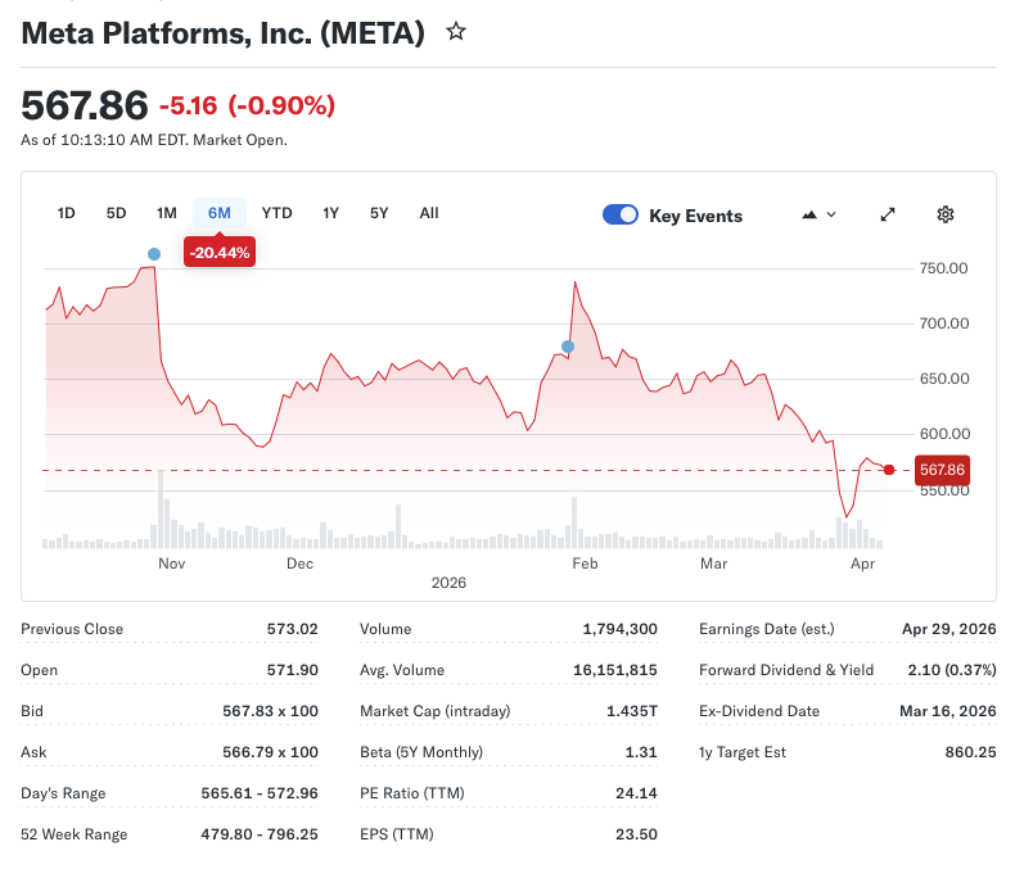
If open source accelerates adoption across industries, Meta could see a broader base of users who contribute to feedback loops rather than solely paying for exclusive access.
Markets have grown used to AI models moving behind corporate walls, with revenue tied to subscriptions and technical support rather than mere access to the code.
Open licensing could redraw that map by expanding the pool of potential customers and intensifying competition for established AI software providers.
From a risk management perspective, Meta will need robust controls to prevent misuse and to ensure that openly distributed models meet safety and privacy standards.
The company will also have to explain how data used to train these models is sourced and verified, given the reputational stakes in the tech sector.
Strategists will also weigh how such a strategy affects Meta's partnerships with hardware and cloud providers, since open source models may influence pricing, performance requirements, and service levels.
These dynamics could shift bargaining power in a market already crowded with entrenched players.
Economists and market watchers may see a broader signal in this plan, a sign that the industry is finally accepting open collaboration as a viable route for advancing performance.
That shift could have ripple effects on venture funding, valuations, and the pace at which new AI firms emerge.
Even with openness, the revenue picture will not disappear, because Meta can monetize through premium features, enterprise support, and specialized configurations for regulated industries.
Open access does not necessarily erase the profit motive, it simply reframes it around scale and reliability.
The timing matters because the AI race among big tech heats up as regulators scrutinize safety, antitrust, and data practices.
Meta could gain a strategic edge if openness translates into faster customer onboarding and more diverse use cases than its rivals can deliver.
Ultimately, the move signals a broader transition in the technology economy toward shared building blocks that still rest on strong capital discipline.
For investors and policy makers alike, the implications will hinge on how well governance, security, and performance align with the promise of broader access to powerful tools.
DISCLAIMER: GoldInvestors.news is not a registered investment, legal or tax advisor or broker/dealer. All investment/financial opinions expressed by GoldInvestors.news are from the personal research and experience of the owner of the site and are intended as educational material. Although best efforts are made to ensure that all information is accurate and up to date, occasionally unintended errors and misprints may occur.
Join the Discussion
COMMENTS POLICY: We have no tolerance for messages of violence, racism, vulgarity, obscenity or other such discourteous behavior. Thank you for contributing to a respectful and useful online dialogue.