DISCLAIMER: GoldInvestors.news is not a registered investment, legal or tax advisor or broker/dealer. All investment/financial opinions expressed by GoldInvestors.news are from the personal research and experience of the owner of the site and are intended as educational material. Although best efforts are made to ensure that all information is accurate and up to date, occasionally unintended errors and misprints may occur.
The gold market has been under pressure once again, with a steep selloff erasing months of momentum and breaking through several key technical levels.
What was once viewed as a healthy correction has become an extended downturn, prompting some traders to question whether the yellow metal’s long-term run has finally ended.
But despite the short-term turbulence, most analysts remain confident that gold’s underlying fundamentals are still intact. The only thing that has truly shifted, they say, is the price.
This latest decline has tested investor sentiment and financial stamina alike. Markets that had grown accustomed to gold holding comfortably near record highs are now watching anxiously as each round of selling seems to break another line of defense.
Here's What They're Not Telling You About Your Retirement
Analysts warn that the next technical supports lie far below current prices, leaving bulls with little margin for error. Yet, beneath the anxiety, a steady conviction remains: gold’s structural story is far from over.
Bank of America, one of the most vocal bullish institutions, has not walked back its $6,000 an ounce target. Rather, it has tempered expectations by suggesting that the timeline for reaching that milestone might simply extend beyond earlier projections.
Similarly, BMO Capital Markets recently adjusted its annual average forecast downward by around 5 percent, but the firm still expects gold to climb to $5,000 an ounce by the first quarter of next year. That kind of long-term optimism stands in sharp contrast to the current market rhetoric dominated by correction fears.
Short-term weakness in the gold market can often be traced to rising U.S. Treasury yields and a firmer dollar. As the front end of the yield curve strengthens, real interest rates increase, raising the cost of holding non-yielding assets like gold. The Federal Reserve’s renewed laser focus on price stability has further tightened liquidity conditions, dampening inflation expectations.
This Could Be the Most Important Video Gun Owners Watch All Year
Traders now believe there may be at least one more rate hike before the end of the year, a sentiment that continues to weigh heavily on precious metals.
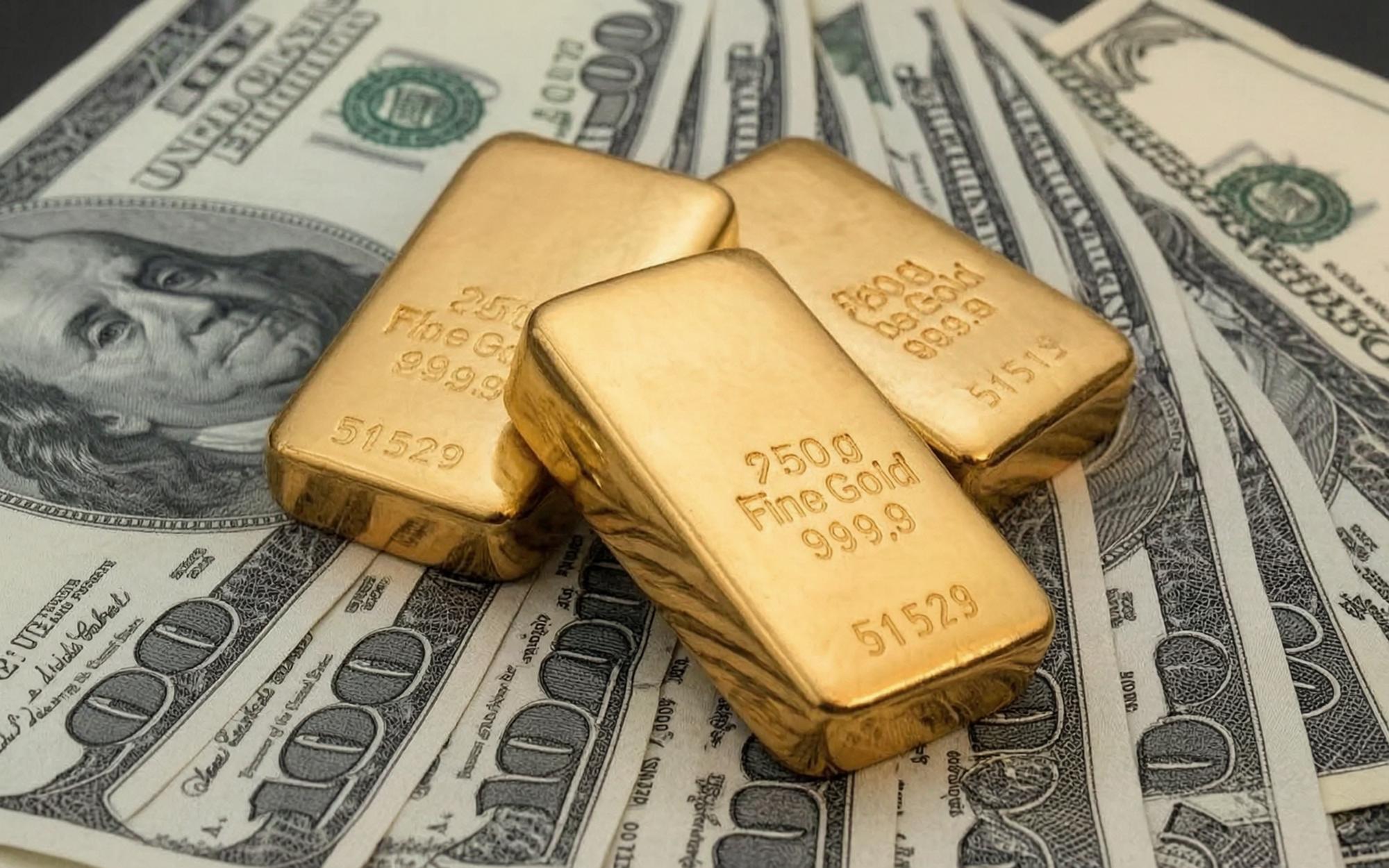
Even amid these headwinds, the resilience of the U.S. economy has surprised many. Much of this momentum comes from the ongoing AI-driven investment boom, which has kept growth afloat despite global challenges, including the energy disruptions caused by the conflict in Iran.
This unexpected strength has drawn capital back into U.S. assets, bolstered the dollar’s dominance, and, in turn, pressured gold prices to the downside.
Still, none of these forces alter gold’s long-term value proposition. The same macroeconomic factors that drove it to record levels earlier in the year—rising sovereign debt, de-dollarization efforts, and geopolitical fractures—continue to play out beneath the surface.
Economies around the world are rethinking their dependence on the U.S. dollar, steadily accumulating alternative stores of value in response to shifting global alignments.
The latest annual central bank survey from the World Gold Council revealed that 89 percent of reserve managers expect global central bank gold holdings to increase over the next year. A record 45 percent of those surveyed anticipate that their own institutions will add to their reserves.
This strong intent signals that gold remains an essential part of international monetary strategy, not merely a speculative asset.
Adding to the long-term bullish thesis is the worsening fiscal picture in the developed economies. Governments have continued to rack up unsustainable debt loads, betting that growth and controlled inflation can keep repayment manageable.
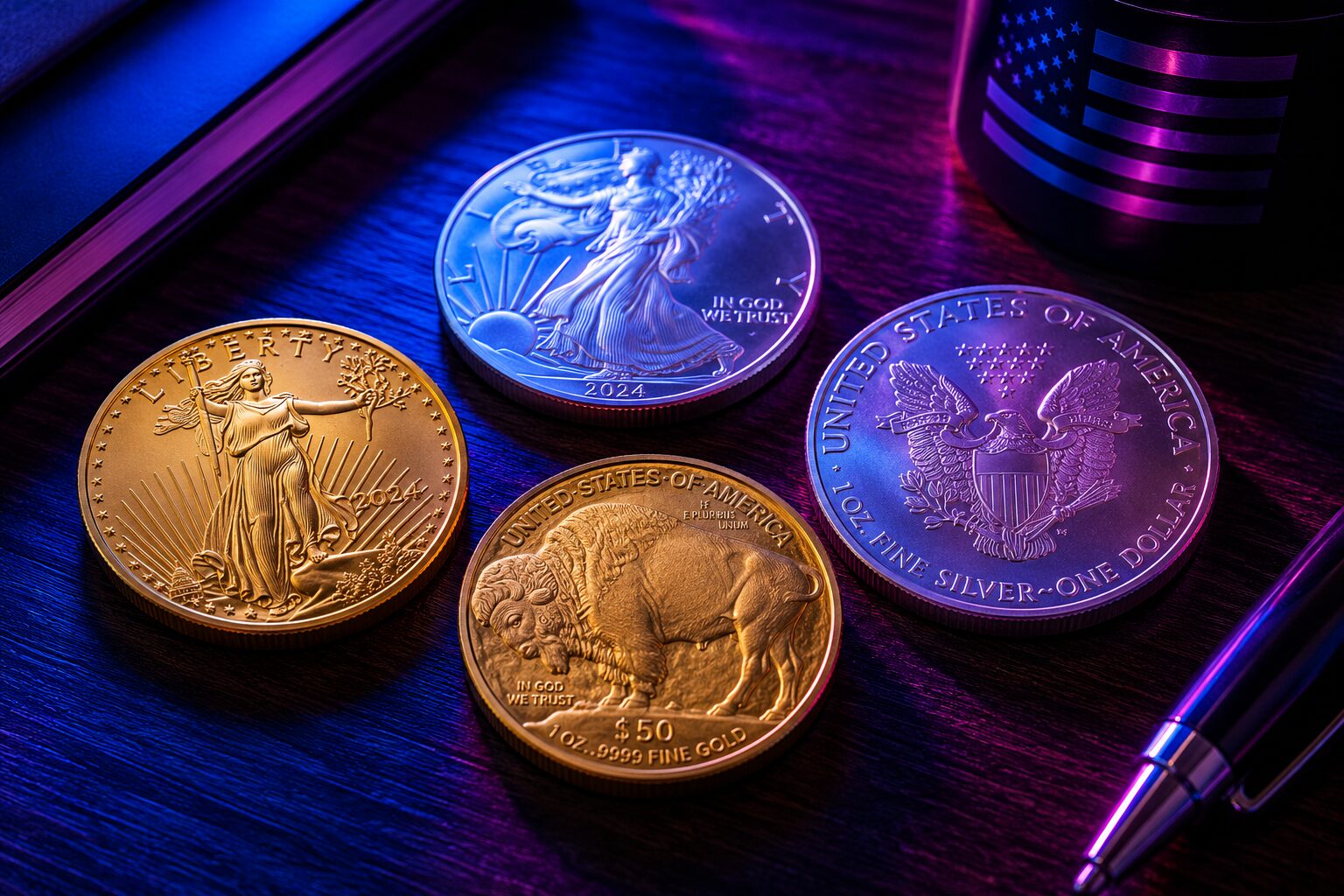
History, however, teaches that nations often resort to inflationary tactics and repressive financial measures to shrink their liabilities in real terms. If such strategies emerge again, gold’s appeal as a hedge is likely to intensify.
Institutional and retail investors alike have recognized gold’s consistent ability to preserve capital during uncertain times.
Even during periods of higher volatility, the metal’s role as an anchor within diversified portfolios has remained unchanged. Gold has repeatedly proven to be one of the few assets that can offer a credible hedge against both monetary excess and geopolitical instability.
The current price weakness, therefore, should not be mistaken for a structural collapse. Commodities often move in cycles, and gold’s latest drop reflects short-term market mechanics rather than a shift in fundamentals.
Yield curves, central bank policy, and sentiment-driven volatility are all temporary forces that eventually give way to larger macroeconomic realities.
For investors with a longer horizon, the current turbulence could eventually be remembered as a buying opportunity.
When viewed through the lens of global fiscal imbalances, currency diversification, and the steady erosion of purchasing power, gold’s core purpose remains unshaken. Its strength lies precisely in its permanence, unaffected by the daily noise of financial markets.
In truth, gold itself is not broken. The only thing that has changed is its price.
DISCLAIMER: GoldInvestors.news is not a registered investment, legal or tax advisor or broker/dealer. All investment/financial opinions expressed by GoldInvestors.news are from the personal research and experience of the owner of the site and are intended as educational material. Although best efforts are made to ensure that all information is accurate and up to date, occasionally unintended errors and misprints may occur.
Join the Discussion
COMMENTS POLICY: We have no tolerance for messages of violence, racism, vulgarity, obscenity or other such discourteous behavior. Thank you for contributing to a respectful and useful online dialogue.