DISCLAIMER: GoldInvestors.news is not a registered investment, legal or tax advisor or broker/dealer. All investment/financial opinions expressed by GoldInvestors.news are from the personal research and experience of the owner of the site and are intended as educational material. Although best efforts are made to ensure that all information is accurate and up to date, occasionally unintended errors and misprints may occur.
The global tech industry is facing a new kind of crisis, one that not even Apple and Microsoft can completely sidestep. Memory prices have exploded, driving up costs across nearly every electronic device and leaving smaller manufacturers gasping for relief. What began as a problem driven by the artificial intelligence boom has now escalated into what some analysts are calling an “existential crisis” for small and mid-sized tech firms.
Earlier this year, Mono Technologies, a small startup launched in 2024, seemed poised for success. Its co-founder, Tomaž Zaman, had created a $600 router development kit that quickly drew interest from internet enthusiasts. But the cost of one crucial component—DRAM from Micron—has since surged from $35 to $300 per unit. For a tiny company with a three-person team, those numbers are unsustainable.
Zaman now faces an impossible choice: launch a new model with far less memory or raise retail prices by one-third, potentially killing demand. “Even a router of our class, it’s a poor value if you make it at $900, $1,000,” he said. “But we have to, or we trim it down to the bare minimums.”
This struggle is playing out across the consumer electronics landscape. From GoPro to Sonos, companies that once defined innovation are now scrambling to survive as a handful of chip giants command the entire market’s supply of memory. Demand from AI servers, data centers, and high-end computing systems has consumed nearly every available DRAM chip, leaving smaller players out in the cold.
Here's What They're Not Telling You About Your Retirement
For tech giants, the situation is frustrating—but manageable. Apple and Microsoft both raised device prices this week, passing the rising costs directly to consumers. Apple CEO Tim Cook called the situation a “hundred-year flood,” while Microsoft warned that memory and storage costs have jumped 2.5 times over the past year and could double again by 2027.
GoPro, however, does not have that option. The company warned investors that skyrocketing memory prices—up 80% to 115% in a matter of months—could force it out of business. Sonos shares have plunged 23% year-to-date under similar pressures. Smaller Android device makers and local electronics producers now face the real possibility of extinction.
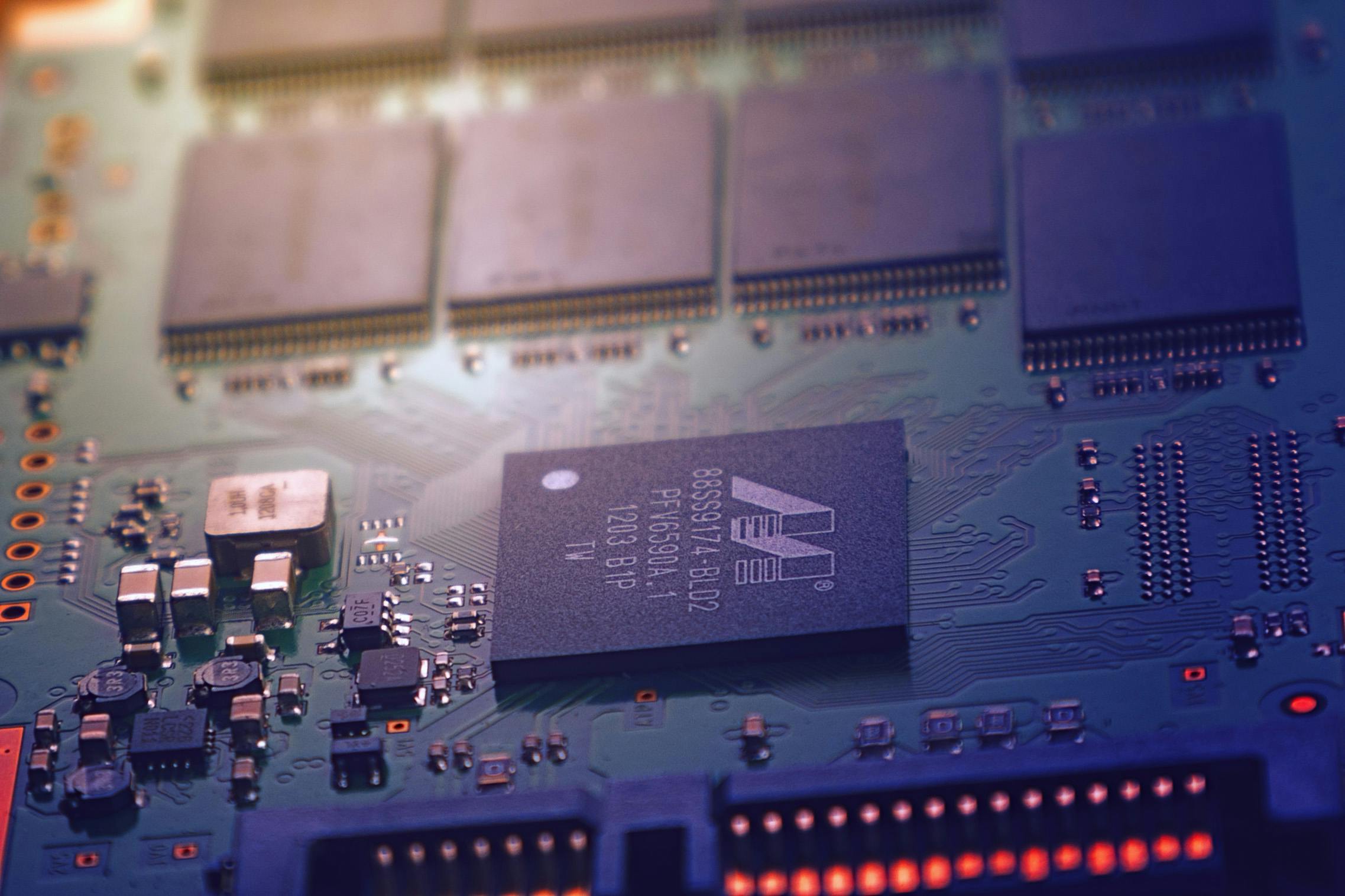
Analyst Nabila Popal from IDC described the state of play bluntly: “They won’t be able to get the memory because memory suppliers are only answering calls of the big players.” Supply chain realities favor the few corporations strong enough to lock in long-term contracts, leaving smaller manufacturers unable to compete on price or availability.
This Could Be the Most Important Video Gun Owners Watch All Year
The beneficiaries of this consolidation are clear. Micron, one of the world’s largest memory producers, announced its quarterly earnings this week showing revenue had more than quadrupled from the prior year. Its gross margin shot up from 39% to nearly 85%, and stock prices have surged 800% in just twelve months. Rivals Samsung and SK Hynix have seen comparable windfalls.
Micron Chief Business Officer Sumit Sadana defended the company’s allocation strategy, saying it works to ensure “thoughtful, responsible and fair” distribution of limited supply. Yet for hundreds of small firms like Mono Technologies, fairness is hard to see when production runs are delayed, canceled, or priced out of reach.
The ripple effects are surfacing in unexpected sectors, too. W5 Technologies, which designs communications gear for defense contractors, has seen server prices nearly double since 2020. Co-founder Elaine Ferguson said her company ordered an $8,839 unit earlier this year, up from $5,373 just four years ago. When they placed another order recently, the price approached $15,000—and delivery was pushed back from May to August.
“We just ordered another one for another sale,” Ferguson explained. “It is now just under $15,000 and the lead time is anytime we get it, we’re lucky to get it.” For critical defense projects, even a few months’ delay can disrupt entire contract cycles and cost millions in penalties or lost opportunities.
Wall Street, though cautious, has not ignored the trend. Shares of Apple and Microsoft slipped following their price announcements as investors recognized that consumer tolerance for higher costs might already be stretched thin. Inflation and tightening credit conditions make it harder for households to justify paying more for technology that used to be affordable.
Smaller firms remain the canary in the coal mine. Without access to consistent component supply or financial backing, many face operational paralysis. Lobbyist groups representing sectors from telecommunications to retail have written to the Department of Commerce urging intervention, but government action rarely addresses the speed or complexity of global semiconductor logistics.
The harsh truth is that the AI gold rush has diverted much of the world’s memory toward data-intensive projects, enriching a few chipmakers while hollowing out the competitive landscape of consumer electronics. Market concentration is shrinking innovation and pushing once-viable companies toward collapse.
At Mono Technologies, hope now depends on investor support. Zaman is fundraising to finance his next production run and seeking ways to remain viable. But his frustration is evident. “Product manufacturing is very expensive,” he said, echoing the sentiment of a generation of engineers trapped between technological ambition and supply chain reality.
As the industry waits for relief, the imbalance between corporate giants and small innovators is widening. For many in tech’s lower tiers, this is not just an economic setback—it is a survival test in a market that increasingly rewards size over ingenuity.
DISCLAIMER: GoldInvestors.news is not a registered investment, legal or tax advisor or broker/dealer. All investment/financial opinions expressed by GoldInvestors.news are from the personal research and experience of the owner of the site and are intended as educational material. Although best efforts are made to ensure that all information is accurate and up to date, occasionally unintended errors and misprints may occur.
Join the Discussion
COMMENTS POLICY: We have no tolerance for messages of violence, racism, vulgarity, obscenity or other such discourteous behavior. Thank you for contributing to a respectful and useful online dialogue.