WHAT YOU NEED TO KNOW
- SpaceX sent Starship into orbit for the first time during the rocket’s 14th test flight from Starbase, Texas.
- The mission successfully deployed 26 new Starlink V3 satellites as SpaceX seeks to expand its profitable Connectivity business.
- One Starship can carry 60 Starlink v3 satellites, about 20 times the capacity of a Falcon 9 launch.
- SpaceX went public in June through the largest IPO on record and is valued at about $2 trillion.
DISCLAIMER: GoldInvestors.news is not a registered investment, legal or tax advisor or broker/dealer. All investment/financial opinions expressed by GoldInvestors.news are from the personal research and experience of the owner of the site and are intended as educational material. Although best efforts are made to ensure that all information is accurate and up to date, occasionally unintended errors and misprints may occur.
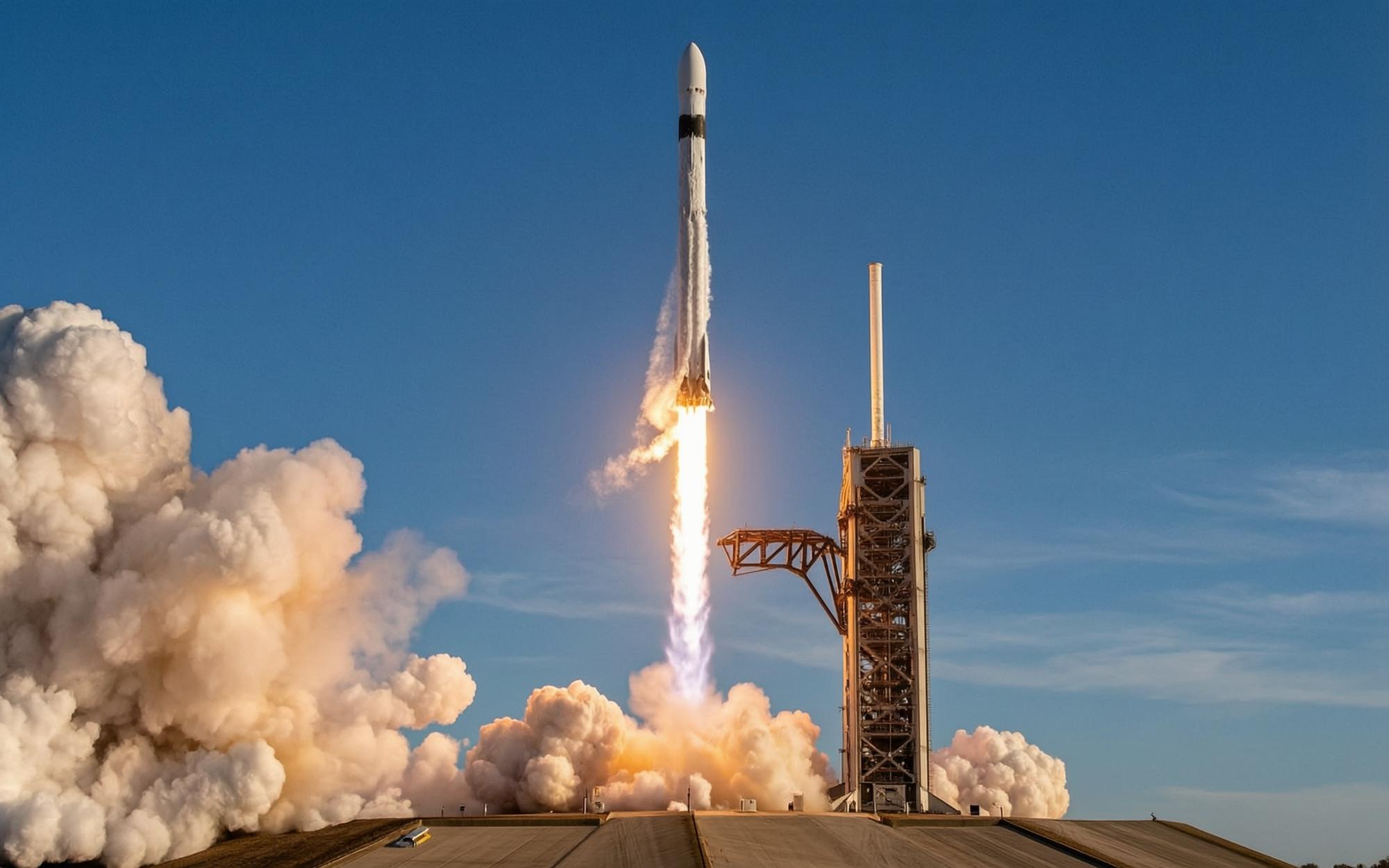
SpaceX launched its massive Starship rocket early Monday from Starbase, Texas, sending the spacecraft into orbit for the first time. The milestone came during Starship’s 14th test flight and drew loud cheers from SpaceX employees attending at the company’s launch facility.
A livestream on social network X, which the source identifies as owned by SpaceX, showed liftoff at 8:48 a.m. ET, or 7:48 a.m. local time. Starship reached orbit at around 8:15 a.m. local time, marking a major achievement for the giant launch system.
During the mission, Elon Musk’s aerospace and defense company also successfully deployed 26 of its new Starlink V3 satellites. SpaceX is counting on Starship to expand its Starlink, or Connectivity, business.
That business was SpaceX’s largest and only profitable segment as of the second quarter. The company operates around 11,000 active satellites in orbit today, compared with roughly 650 for competitor Eutelsat OneWeb.
The scale of the existing Starlink network shows why Starship is critical to the company’s expansion plans. The rocket is designed to carry far more satellite capacity into orbit than the Falcon 9 system.
On SpaceX’s earnings call in August, Musk said, “It’s not out of the question that at some point, Starlink will deliver a majority of the world’s internet, at least in countries where we’re allowed to operate, which is the vast majority of countries.”
The orbital achievement arrived later than timelines Musk had previously discussed. He had said Starship would reach orbit in 2022 and begin deploying satellites in 2023.
SpaceX said one Starship rocket can carry 60 of its new Starlink v3 satellites into orbit. That represents about 20 times the capacity of a Falcon 9 launch, giving the new rocket a central role in the company’s satellite ambitions.
Monday’s test carried 26 of the new satellites, fewer than the stated capacity of 60. Even so, the successful deployment combined Starship’s first trip into orbit with a practical demonstration involving the company’s Connectivity business.
The ship’s booster made what SpaceX described as a “soft splashdown” off the coast of Starbase a few moments after launch. The Starship spacecraft continued climbing while one of its vacuum engines went out in a suborbital trajectory.
SpaceX designed the Starship Super Heavy rocket and booster to be fully reusable. The company also intends the system to lift more cargo into orbit at a lower cost than any prior spacecraft.
None of Starship’s 13 earlier test flights had been intended to reach orbit. With the 14th flight, SpaceX hoped the spacecraft would circle the planet multiple times and land off the coast of Chile.
The company is also preparing Starship for a major NASA test flight next year. SpaceX intends to use the rocket to bring U.S. astronauts back to the moon’s surface.
SpaceX COO Gwynne Shotwell discussed another potential use during the All-In Summit earlier this month. She said the company plans to use Starship for supercompute in space by launching AI compute satellites into orbit in 2027.

The milestone comes after SpaceX went public in June through the largest IPO on record. The company is now valued at about $2 trillion, placing considerable financial weight behind Starship’s technical progress and SpaceX’s expansion plans.
Monday’s mission advanced several of those plans at once, with Starship reaching orbit and deploying 26 Starlink V3 satellites. The test also demonstrated the vast gap between Starship’s intended carrying capacity and that of a Falcon 9 launch.
DISCLAIMER: GoldInvestors.news is not a registered investment, legal or tax advisor or broker/dealer. All investment/financial opinions expressed by GoldInvestors.news are from the personal research and experience of the owner of the site and are intended as educational material. Although best efforts are made to ensure that all information is accurate and up to date, occasionally unintended errors and misprints may occur.
Join the Discussion
COMMENTS POLICY: We have no tolerance for messages of violence, racism, vulgarity, obscenity or other such discourteous behavior. Thank you for contributing to a respectful and useful online dialogue.