WHAT YOU NEED TO KNOW
- Xi’s three day Washington visit featured lavish ceremony but yielded few concrete agreements on major economic and geopolitical disputes.
- The U.S. and China extended their trade truce by two months to Jan. 10, shorter than the six month extension many expected.
- Xi projected confidence that intense competition could continue without military conflict, while public AI discussions produced no specific joint action.
- Major U.S. television networks missed much of the spectacle amid a dispute over White House access for three news organizations.
DISCLAIMER: GoldInvestors.news is not a registered investment, legal or tax advisor or broker/dealer. All investment/financial opinions expressed by GoldInvestors.news are from the personal research and experience of the owner of the site and are intended as educational material. Although best efforts are made to ensure that all information is accurate and up to date, occasionally unintended errors and misprints may occur.
Chinese leader Xi Jinping ended his first formal trip to Washington in 11 years on Friday, closing a three day state visit with President Donald Trump. The gathering produced warm imagery and elaborate ceremony, but few concrete agreements on the disputes weighing on relations between Washington and Beijing.
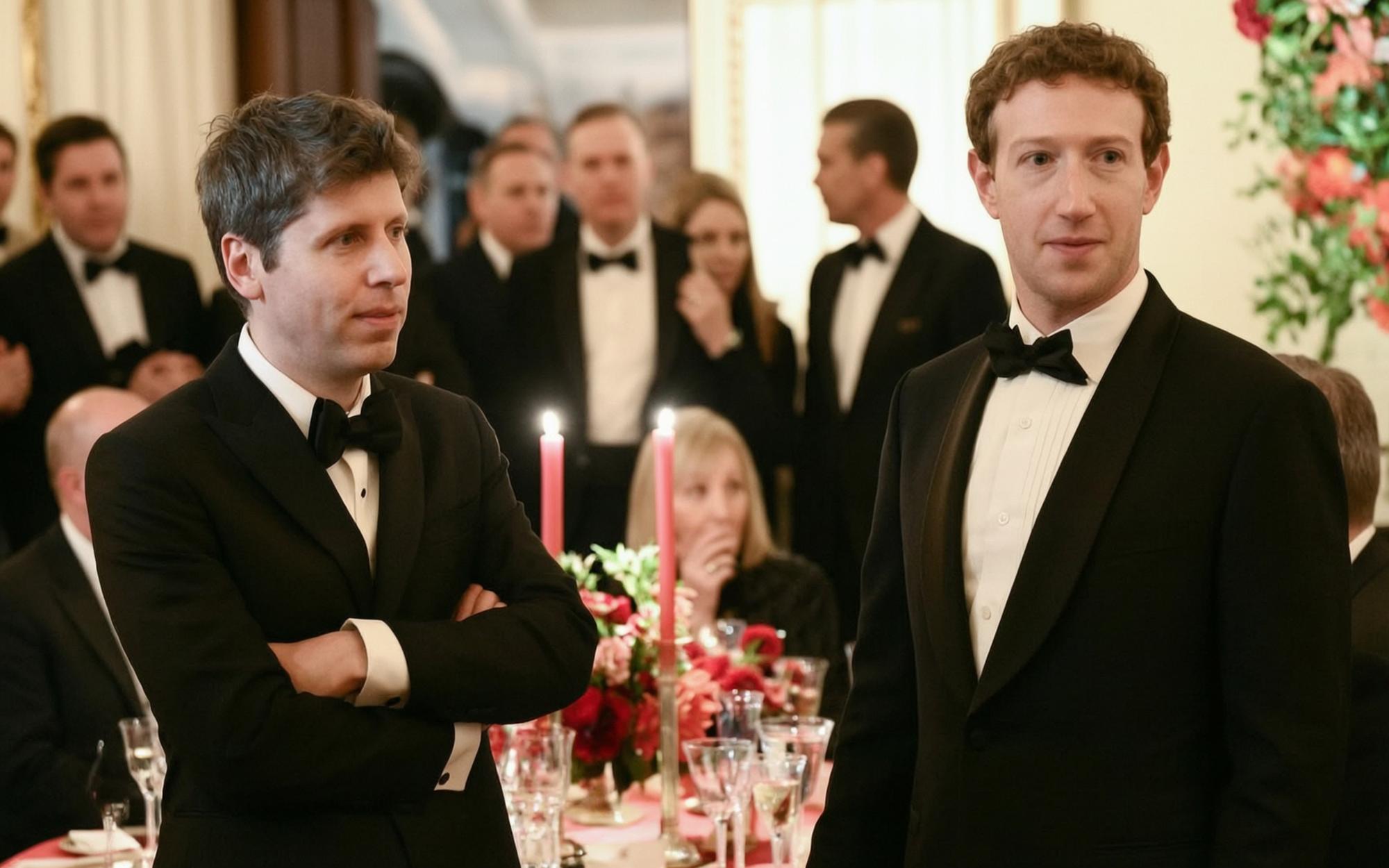
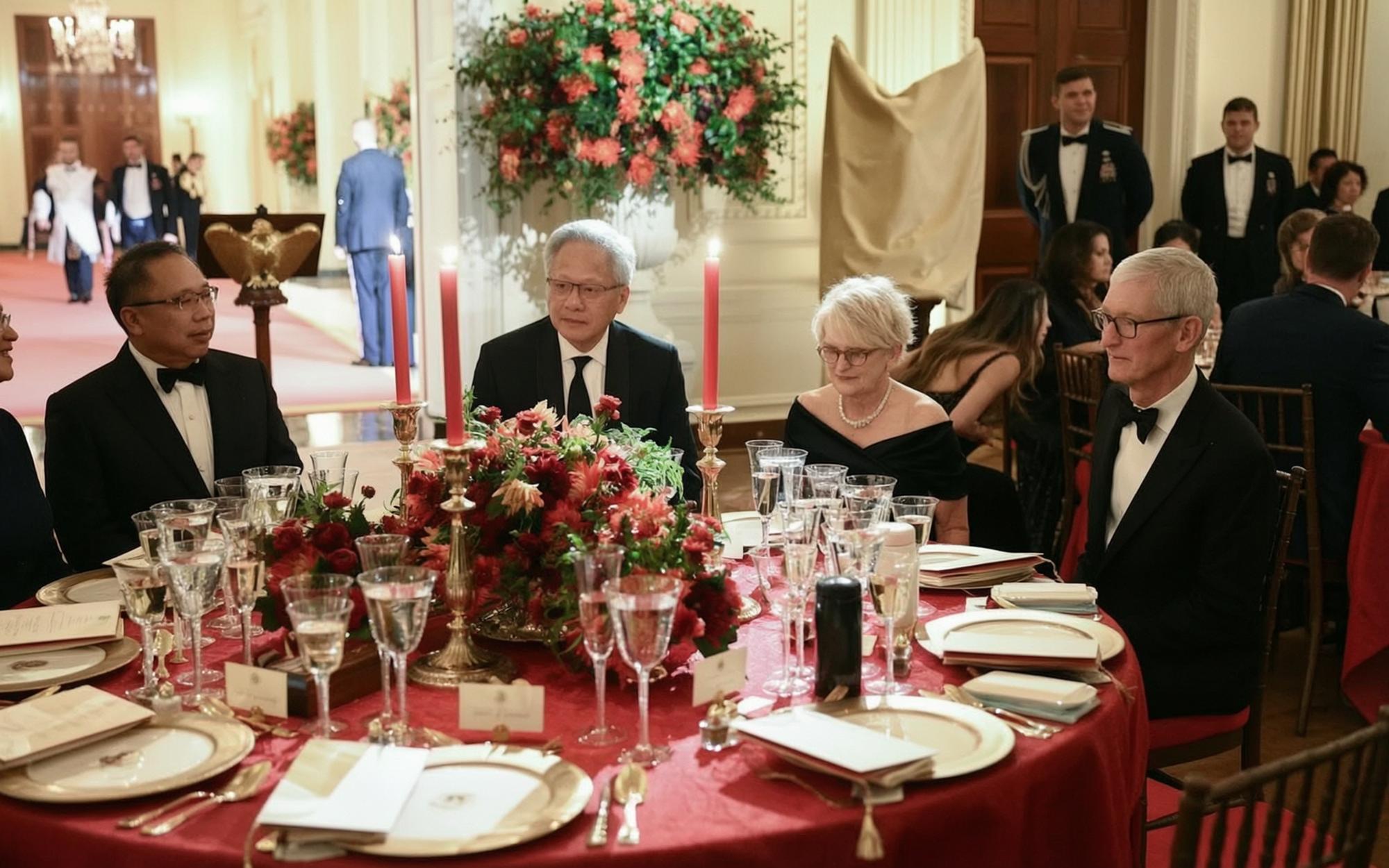
Trump personally greeted Xi on the airport tarmac, an unusual gesture that opened a visit packed with hospitality. The two leaders attended a state dinner, joined their spouses for tea, toured the National Archives and appeared amid carefully staged military displays.
The clearest bilateral result came from Treasury Secretary Scott Bessent, who announced that the countries would extend their trade truce until Jan. 10. The two month extension continues an agreement reached last year that was approaching expiration.
That truce followed a meeting between Trump and Xi in Busan, South Korea. It lowered U.S. tariffs and suspended Chinese controls on exports of rare earths and critical minerals, among other provisions.
Xi referred to a “new joint arrangement” on bilateral trade, according to Beijing’s account, but did not provide a date. The visit produced no announced purchase commitments, agreement on managing AI risks or major action involving the war in Iran.
Many observers had expected the trade truce to receive a six month extension. China experts told CNBC the shorter period could slightly favor the United States by preserving the possibility of renewed trade hostilities as leverage in future negotiations.
Trump and Xi are expected to meet twice more this year, first at the Asia-Pacific Economic Cooperation summit in Shenzhen, China, in November and then at the G20 in Miami in December. Those meetings could carry negotiations toward the Jan. 10 deadline.
Scott Kennedy, a Center for Strategic and International Studies senior advisor who studies the Chinese economy, said domestic and market considerations favored calm. “Ahead of the midterms, President Trump’s interest is to keep things calm,” Kennedy said. “We have interest rates getting to record highs, and he doesn’t want to make markets even more skittish.”
Kennedy also warned that the polished atmosphere concealed continuing friction. “As some have said, on the surface, like a polo match, things look relatively calm, but underneath, there’s a lot of kicking, and that kicking will become more visible as we get to the new year,” he said.
The reception looked successful from China’s perspective. Hai Zhao, a director of international political studies at the state affiliated Chinese Academy of Social Sciences, called the visit “a great success” and said Chinese people were pleased by Xi’s reception in Washington.
Xi also adopted a more confident public tone about competition between the two powers. “The Thucydides Trap can be overcome,” he said upon arriving at the White House, according to China’s official account.
The Chinese leader said the countries could pursue “healthy” competition without confrontation. Cui Shoujun, a professor at Renmin University of China’s School of International Studies, called the establishment of intense competition without military conflict the summit’s “most significant political outcome.”
Taiwan remained a visible point of difference. Beijing’s account said Xi called on the United States to “oppose ‘Taiwan independence,’” while Trump had not publicly commented on Taiwan around the summit.
China’s account said Trump and Xi discussed the Middle East but did not mention the Iran war. Zhai Jun, China’s special envoy for the Middle East, later said their consensus would be important to cooling the conflict, though neither government announced a major step.
AI discussions similarly ended without specific public commitments. Before Xi arrived, Trump wrote on Truth Social, “I want to leave it exactly where it is,” adding, “That is China’s position also.”
Xi later said the countries possessed “both the capability and responsibility to develop and manage AI for good, and ensure that the development of AI is always under human control and serves the well-being of the people.” He also stressed cooperation, but the public statements produced no detailed joint plan.
Ceremony dominated the schedule. Red carpets greeted Xi at Joint Base Andrews and the White House, while service members performed music, raised flags and rifles, marched in formation and conducted low flyovers.
The newly paved over Rose Garden hosted a military review featuring the U.S. Army Herald Trumpets, the Army’s Old Guard Fife and Drum Corps, the Marines’ Silent Drill Platoon and its Drum and Bugle Corps. Trump also showed Xi the newly built White House helipad and the presidential helicopter.
Much of the spectacle did not appear on major U.S. television networks because television pool coverage had been suspended in solidarity with MS NOW, CNN and Politico after Trump banned them from the White House. Chinese state media received access, while access for the three U.S. outlets was fully restored later Thursday, according to a Trump administration court filing.
DISCLAIMER: GoldInvestors.news is not a registered investment, legal or tax advisor or broker/dealer. All investment/financial opinions expressed by GoldInvestors.news are from the personal research and experience of the owner of the site and are intended as educational material. Although best efforts are made to ensure that all information is accurate and up to date, occasionally unintended errors and misprints may occur.
Join the Discussion
COMMENTS POLICY: We have no tolerance for messages of violence, racism, vulgarity, obscenity or other such discourteous behavior. Thank you for contributing to a respectful and useful online dialogue.