DISCLAIMER: GoldInvestors.news is not a registered investment, legal or tax advisor or broker/dealer. All investment/financial opinions expressed by GoldInvestors.news are from the personal research and experience of the owner of the site and are intended as educational material. Although best efforts are made to ensure that all information is accurate and up to date, occasionally unintended errors and misprints may occur.
Prices for gold and silver traded lower in early U.S. activity as markets priced in the odds that a widening Middle East confrontation could spark global stagflation and higher interest rates.
The prospect of persistent inflation alongside slower growth has sharpened concerns about the purchasing power of money and the lure of safe havens, particularly for investors seeking liquidity and preservation of capital.
From a fundamental standpoint, stagflation challenges conventional trading playbooks because it compresses corporate earnings while elevating borrowing costs.
Investors must weigh the competing forces of currency strength, real yields, and policy responses that can keep precious metals attractive as hedges even when appetite for risk is cautious, and markets demand flexibility in asset allocation.
Here's What They're Not Telling You About Your Retirement
The dollar and government yields have moved higher, pressuring metal prices as funds rotate toward nominal carry and higher-yield instruments.
In such an environment, gold and silver function as liquidity proxies and price reserve assets, but their appeal can waver when real yields rise or when rate expectations solidify, prompting fashionable liquidity shifts away from non-yielding assets.
Geopolitical risk surrounding Iran adds a hazardous advisory to the mix, since any escalations can tighten energy markets and inflame inflation expectations.
That dynamic often acts as a double-edged sword for precious metals, offering some upside from crisis risk while also raising the opportunity cost of holding non-yielding assets in a world hungry for yields.
This Could Be the Most Important Video Gun Owners Watch All Year
Market participants are reassessing demand fundamentals with a conservative lens, trimming speculative bets and awaiting clearer signals on how policymakers will respond.
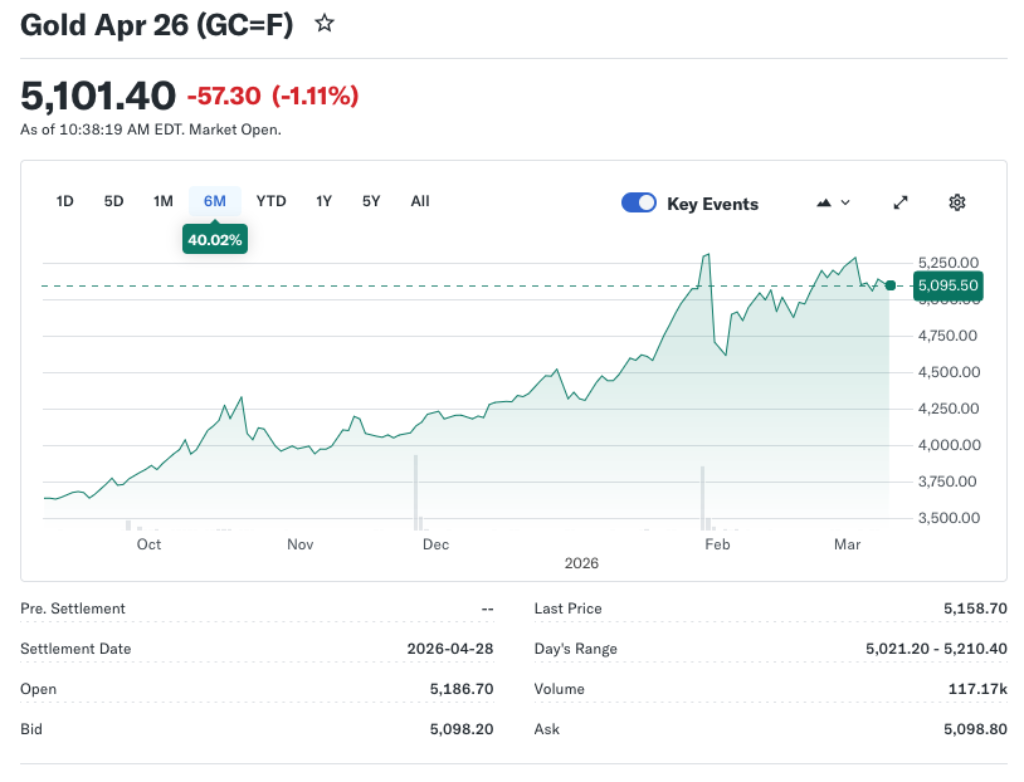
The sense is that price volatility may persist until the macro picture clarifies whether inflation pressures will ease or persist, and whether growth can gain traction without aggravating debt levels.
From a chart perspective, both metals have faced a series of resistance levels as futures prices reflect a cautious stance by traders.
For gold, the path hinges on shifts in real yields and the trajectory of the dollar, while silver tends to track industrial demand alongside precious metal sentiment, creating divergent pressures based on macro demand forecasts.
History offers little comfort for bulls in a stagflation scenario when policy rates trend higher and growth remains fragile.
Yet the metals have at times held steady as crisis hedges, underscoring their role as stores of value even when conventional equities stumble, a dynamic that keeps long-term investors attentive to macro risk.
Gold has long been viewed as the premier inflation hedge, but rising real rates can blunt that dynamic as opportunity costs mount.
Silver, while sensitive to industrial demand, often benefits when risk attitudes deteriorate and investors seek diversification or liquidity, providing a potential cushion when other assets underperform.
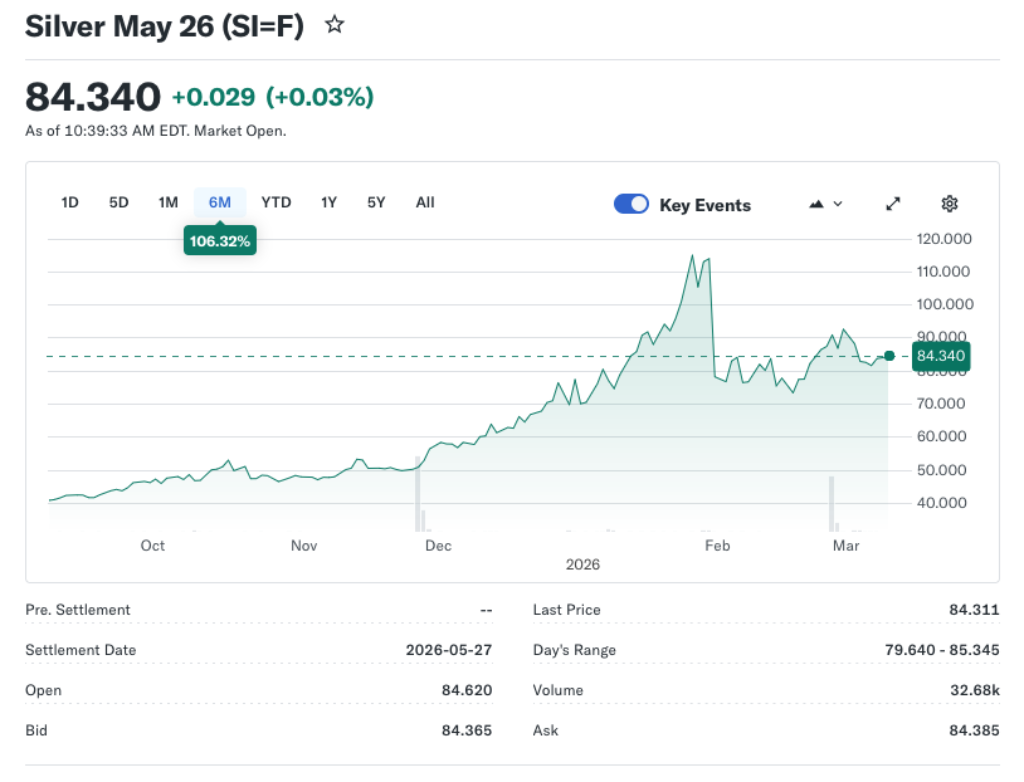
Federal Reserve commentary and rate trajectories loom large as the next decisive factor, because policy stance shapes the relative appeal of safe haven assets.
If inflation pressures persist and growth lags, expectations for higher for longer rates can sustain pressure on metal prices, even as geopolitical risk remains a catalyst for occasional relief rallies.
ETF flows, central bank buying, and physical demand from jewelry and technology sectors all influence near term prices and sentiment.
In the current environment, bullion and coins may attract opportunistic buyers on dips while institutional players reposition portfolios toward income and liquidity, complicating precise forecasts for where prices settle in the coming months.
Looking ahead, a sustained escalation in geopolitical risk or a decisive shift in economic data could tilt the balance toward higher gold and silver prices.
Until then, the tug of stagflation fears will keep prices bidirectional and sensitive to policy signals, demanding disciplined risk management from investors wielding leverage or concentrated exposure.
Investors should approach holdings with discipline, recognizing that while metals can hedge against uncertainty, they remain sensitive to rates and dollars.
A balanced strategy combines hedges with selective inflation protection and a long view on the role of precious metals in a diversified portfolio to weather volatile cycles.
DISCLAIMER: GoldInvestors.news is not a registered investment, legal or tax advisor or broker/dealer. All investment/financial opinions expressed by GoldInvestors.news are from the personal research and experience of the owner of the site and are intended as educational material. Although best efforts are made to ensure that all information is accurate and up to date, occasionally unintended errors and misprints may occur.
Join the Discussion
COMMENTS POLICY: We have no tolerance for messages of violence, racism, vulgarity, obscenity or other such discourteous behavior. Thank you for contributing to a respectful and useful online dialogue.