DISCLAIMER: GoldInvestors.news is not a registered investment, legal or tax advisor or broker/dealer. All investment/financial opinions expressed by GoldInvestors.news are from the personal research and experience of the owner of the site and are intended as educational material. Although best efforts are made to ensure that all information is accurate and up to date, occasionally unintended errors and misprints may occur.
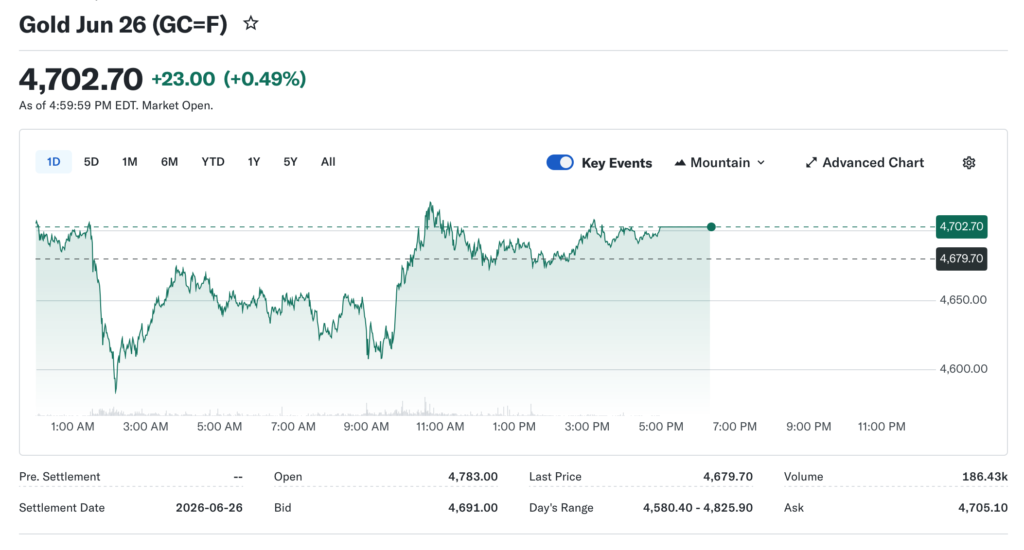
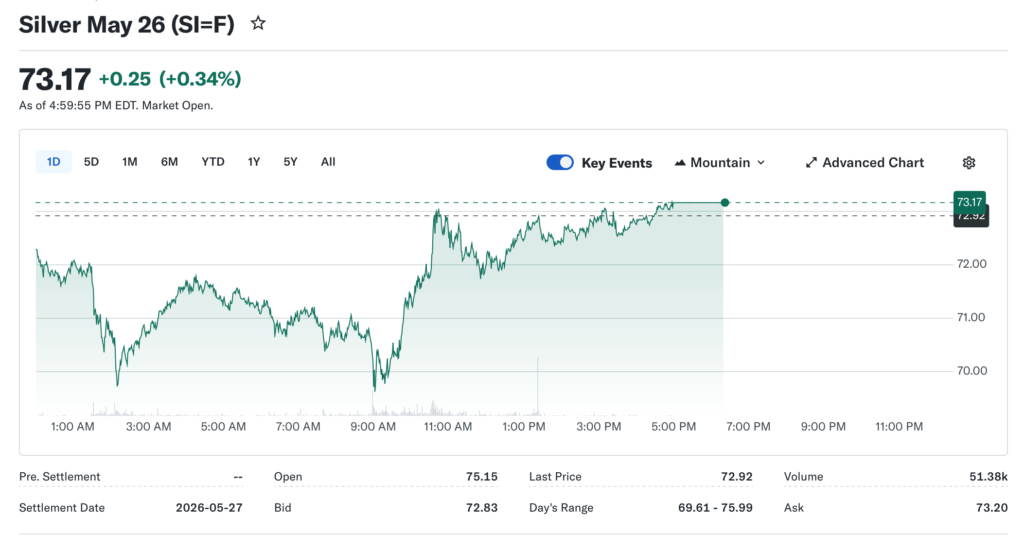
Gold and silver prices moved lower in early United States trading as financial markets reacted to a stronger dollar and rising Treasury yields.
This shift reflects a more cautious tone across markets, particularly because precious metals tend to struggle when interest rates climb and the currency strengthens.
Investors who follow these relationships closely often interpret this combination as a signal that risk appetite is cooling, at least in the near term.
The U.S. dollar index rose, putting additional pressure on dollar priced bullion. Higher greenback tends to weigh on non yielding assets and reduces demand for gold and silver. This relationship has remained consistent for decades, and therefore traders were not surprised to see metals retreat as the dollar gained momentum.
Here's What They're Not Telling You About Your Retirement
When the dollar strengthens, buyers using other currencies must pay more for gold and silver, which naturally slows demand. At the same time, rising yields provide an alternative place for capital to earn returns, making metals less appealing in comparison.
Bond yields rose as traders priced in higher rates and a potentially steeper path for policy. That move dampened appetite for non yielding assets like gold. Investors often compare gold and silver with interest bearing instruments because metals do not provide income.
When Treasury yields increase, the opportunity cost of holding metals rises. Therefore, funds that might otherwise flow into bullion may shift toward bonds or other yield generating investments.
This Could Be the Most Important Video Gun Owners Watch All Year
Gold and silver have historically moved inversely to the dollar, and that dynamic is playing out again. When the greenback strengthens, bullion must offer more to attract buyers. This inverse relationship is widely recognized among institutional investors.
As a result, the current environment reinforces a cautious stance because the dollar’s strength has not yet shown signs of reversing. Markets often require a catalyst, such as softer economic data or changes in monetary policy expectations, before metals can regain traction.
Inflation expectations and real yields remain the critical drivers for bullion. A rise in real yields makes holding non yielding assets less attractive, pressuring prices. Real yields, which account for inflation, are particularly important because they reflect the true return investors receive.
When real yields move higher, investors can earn stronger inflation adjusted returns in bonds. Therefore, the incentive to hold gold as a store of value diminishes in the short term.
Markets await upcoming inflation and growth data for clearer directional signals. Until that information arrives, the current price action could stay choppy. Traders often reduce position sizes during periods of uncertainty because incoming data can quickly alter expectations. This cautious behavior contributes to volatility as markets search for a clearer trend.
Technically, gold has hovered near key levels that have guided recent moves. Support at those levels could offer a pause or a rebound if bids resurface. Technical traders often watch these zones closely because price reactions around them can indicate whether buyers are willing to step back in. If support holds, metals could stabilize. If it fails, further downside pressure may develop.
Silver often tracks industrial demand in addition to precious metal sentiment. As manufacturing and energy demand evolves, silver could show more volatility. Unlike gold, which is primarily viewed as a store of value, silver has substantial industrial uses.
Therefore, changes in economic growth expectations can influence silver more directly. If industrial activity softens, silver may underperform gold. Conversely, stronger growth could support silver even if gold remains under pressure.
Some traders view gold as a hedge against policy uncertainty and currency weakness. However the dollar pressure is testing that hedging appeal. In times of uncertainty, gold often attracts defensive inflows. Yet when the dollar itself strengthens, investors may favor holding cash rather than metals. This creates a tug of war that keeps prices range bound.
Market participants are weighing central bank commentary and the outlook for rate policy. Any signal that policymakers will alter course could shift bullion trajectories.
Even subtle changes in tone from central bankers can influence expectations. Therefore, traders remain attentive to speeches, economic releases, and policy updates.
For long term investors the present pullback might be viewed as a normalization after a period of strength.
That said the metal complex remains sensitive to the dollar and yields. Longer term investors often look beyond short term volatility, especially when metals have experienced sustained rallies. However, the current environment suggests patience may be necessary.
The current backdrop calls for a cautious stance and selective exposure in a market defined by a firmer dollar and higher yields.
Traders will need patience as they search for a turning point amid ongoing rate expectations. Until clearer signals emerge, gold and silver may continue to trade within a volatile but contained range, reflecting the balance between defensive demand and rising opportunity costs.
DISCLAIMER: GoldInvestors.news is not a registered investment, legal or tax advisor or broker/dealer. All investment/financial opinions expressed by GoldInvestors.news are from the personal research and experience of the owner of the site and are intended as educational material. Although best efforts are made to ensure that all information is accurate and up to date, occasionally unintended errors and misprints may occur.
Join the Discussion
COMMENTS POLICY: We have no tolerance for messages of violence, racism, vulgarity, obscenity or other such discourteous behavior. Thank you for contributing to a respectful and useful online dialogue.