DISCLAIMER: GoldInvestors.news is not a registered investment, legal or tax advisor or broker/dealer. All investment/financial opinions expressed by GoldInvestors.news are from the personal research and experience of the owner of the site and are intended as educational material. Although best efforts are made to ensure that all information is accurate and up to date, occasionally unintended errors and misprints may occur.
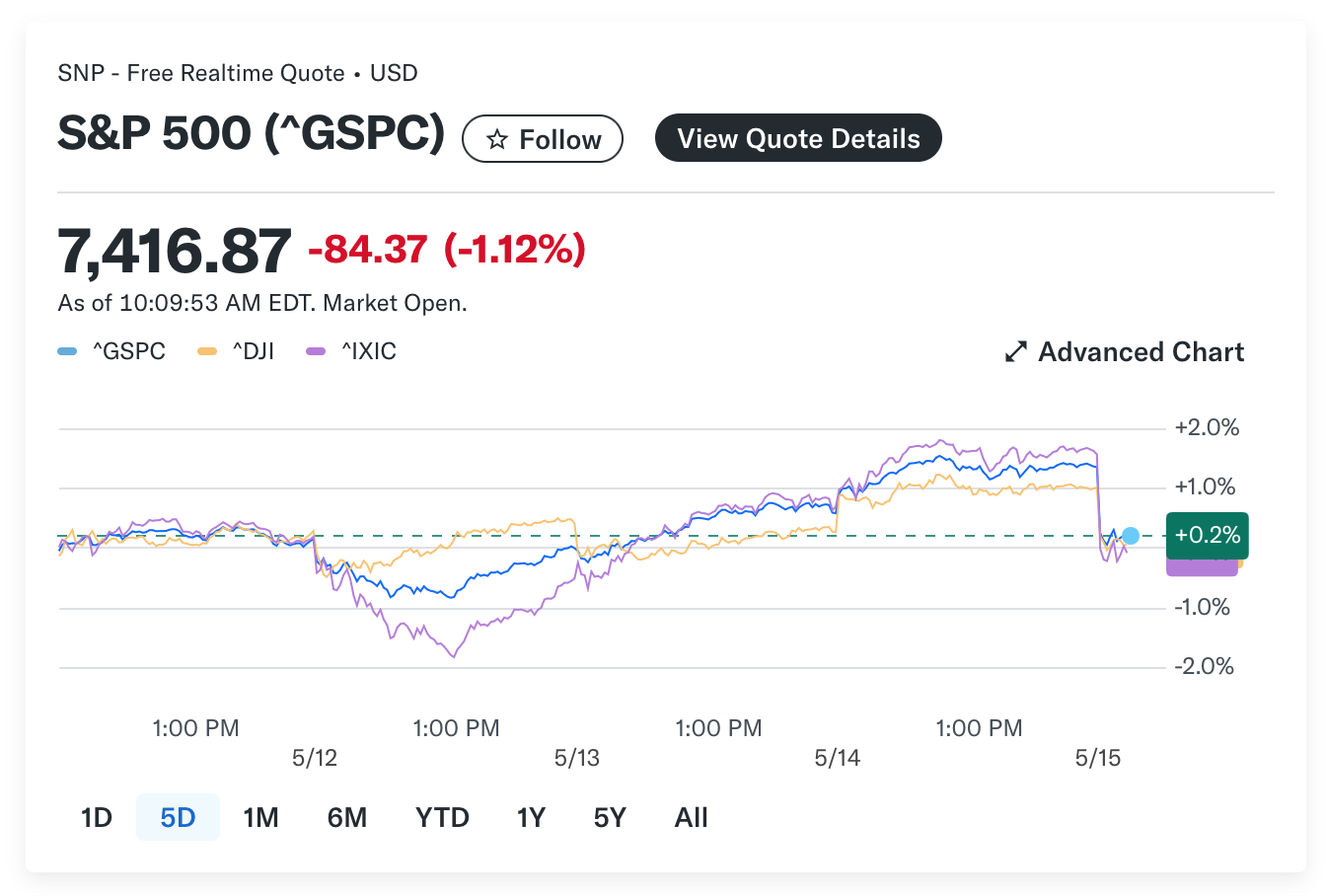
Wall Street stumbled Friday as surging bond yields and renewed inflation fears sent the Dow, S&P 500, and Nasdaq sharply lower, wiping out a portion of the record-setting gains seen earlier in the week.
The sell-off arrived just as investors hoped that cooling conditions abroad and stable energy prices might offer relief.
Instead, the latest inflation readings confirmed what many feared—persistent price pressures are far from over.
The Dow Jones Industrial Average slipped 0.6%, falling back below 50,000, while the S&P 500 dropped 0.9%, breaking its 7,500 threshold.
Here's What They're Not Telling You About Your Retirement
The Nasdaq Composite led losses, tumbling 1.3% after a sharp retreat in technology shares, particularly chip stocks.
The bond market’s performance told the same story. The 10-year Treasury yield shot above 4.5%, while the 30-year yield climbed past 5%, signaling the highest borrowing costs in a year.
Traders priced in the possibility that the Federal Reserve will be forced to hold rates higher for longer—a theme markets have desperately tried to ignore.
This Could Be the Most Important Video Gun Owners Watch All Year
Those expectations aren’t without cause. The April producer price index came in scorching hot at 6% year over year, well above forecasts of 4.8%. Even excluding food and energy, the index rose 5.2%, proving that inflation is not confined to volatile energy markets.
The report reignited debate about whether the Fed’s patient approach risks letting inflation become entrenched.
Oil prices offered no comfort. Brent crude traded around $108 a barrel on Friday as the Strait of Hormuz remained effectively closed, choking one of the world’s most critical oil supply routes.
The standoff related to the ongoing war in Iran continues to fuel energy price inflation, adding fresh uncertainty to global markets already on edge.
President Trump’s recent summit with Chinese President Xi Jinping provided short-term relief but few tangible outcomes.
While both leaders struck a business-friendly tone, and Trump secured commercial agreements for companies such as Boeing and Nvidia, deeper issues—including Taiwan and Iran—remained unresolved.
Without progress, traders saw reason to doubt whether new trade cooperation could offset unfolding inflationary pressures.
Technology stocks, once unstoppable, bore the brunt of the downturn. Nvidia shares sank 3%, pulling down the entire semiconductor sector. Even the red-hot AI trade cooled, as investors weighed whether earnings growth could justify lofty valuations.
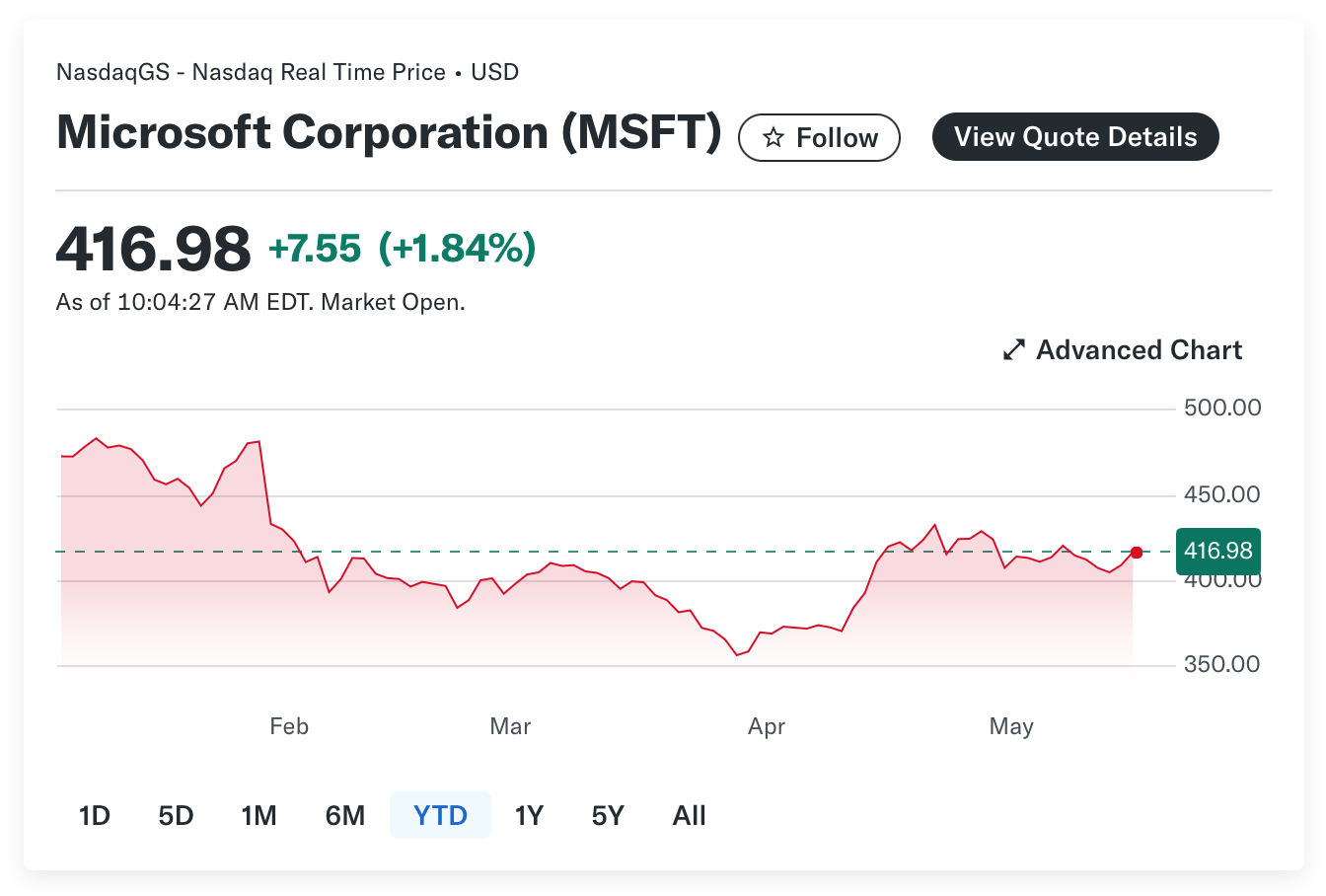
Microsoft, down 15% year to date, caught a small tailwind after hedge fund manager Bill Ackman disclosed a fresh stake, but the broader mood remained cautious.
Meanwhile, precious metals faltered as the dollar surged and yields soared. Gold tumbled nearly 3% to $4,555 a troy ounce, while silver plunged 8% to $78. For metals investors, stronger yields and a firmer dollar are a toxic combination, reducing appetite for non-yielding assets.
Still, many see the pullback as a potential buying opportunity given that monetary and inflationary risks remain unresolved.
Figma shares were one of the few bright spots, rising after strong earnings reflected robust software demand tied to the AI boom. Yet the market’s message was clear: strong fundamentals in select names can’t offset a macro environment dominated by inflation anxiety.
Investors are wrestling with two competing market narratives. One study on the S&P 500 suggests bullish momentum reminiscent of the late stages of previous rallies, while another points to narrowing market breadth resembling the buildup before the 2000 dot-com bust.
The tension between optimism in AI-driven earnings and the reality of higher yields captures the current market dilemma.
The global picture isn’t prettier. Asian stocks mirrored the U.S. downturn, with Japan’s Nikkei dropping 1.8% after data showed wholesale inflation accelerating to its fastest pace in three years.
South Korea’s KOSPI saw a record rise followed by a swift 5% crash, exemplifying the volatility dominating global markets.
European bonds also fell under pressure as traders adjusted to the likelihood that major central banks may follow the Fed’s lead by delaying rate cuts. The inflation shock has become global in scale, spreading economic unease from Europe to Asia and back to New York.
As the week closed, investors were left weighing whether this is merely a temporary setback or the beginning of a more painful reckoning. With inflation still running hotter than policymakers expected and global supply routes uncertain, the promise of lower rates and cheap money seems increasingly remote.
That reality is forcing investors to rediscover old lessons about risk, diversification, and the dangers of assuming that central banks can endlessly prop up asset prices.
DISCLAIMER: GoldInvestors.news is not a registered investment, legal or tax advisor or broker/dealer. All investment/financial opinions expressed by GoldInvestors.news are from the personal research and experience of the owner of the site and are intended as educational material. Although best efforts are made to ensure that all information is accurate and up to date, occasionally unintended errors and misprints may occur.
Join the Discussion
COMMENTS POLICY: We have no tolerance for messages of violence, racism, vulgarity, obscenity or other such discourteous behavior. Thank you for contributing to a respectful and useful online dialogue.