DISCLAIMER: GoldInvestors.news is not a registered investment, legal or tax advisor or broker/dealer. All investment/financial opinions expressed by GoldInvestors.news are from the personal research and experience of the owner of the site and are intended as educational material. Although best efforts are made to ensure that all information is accurate and up to date, occasionally unintended errors and misprints may occur.
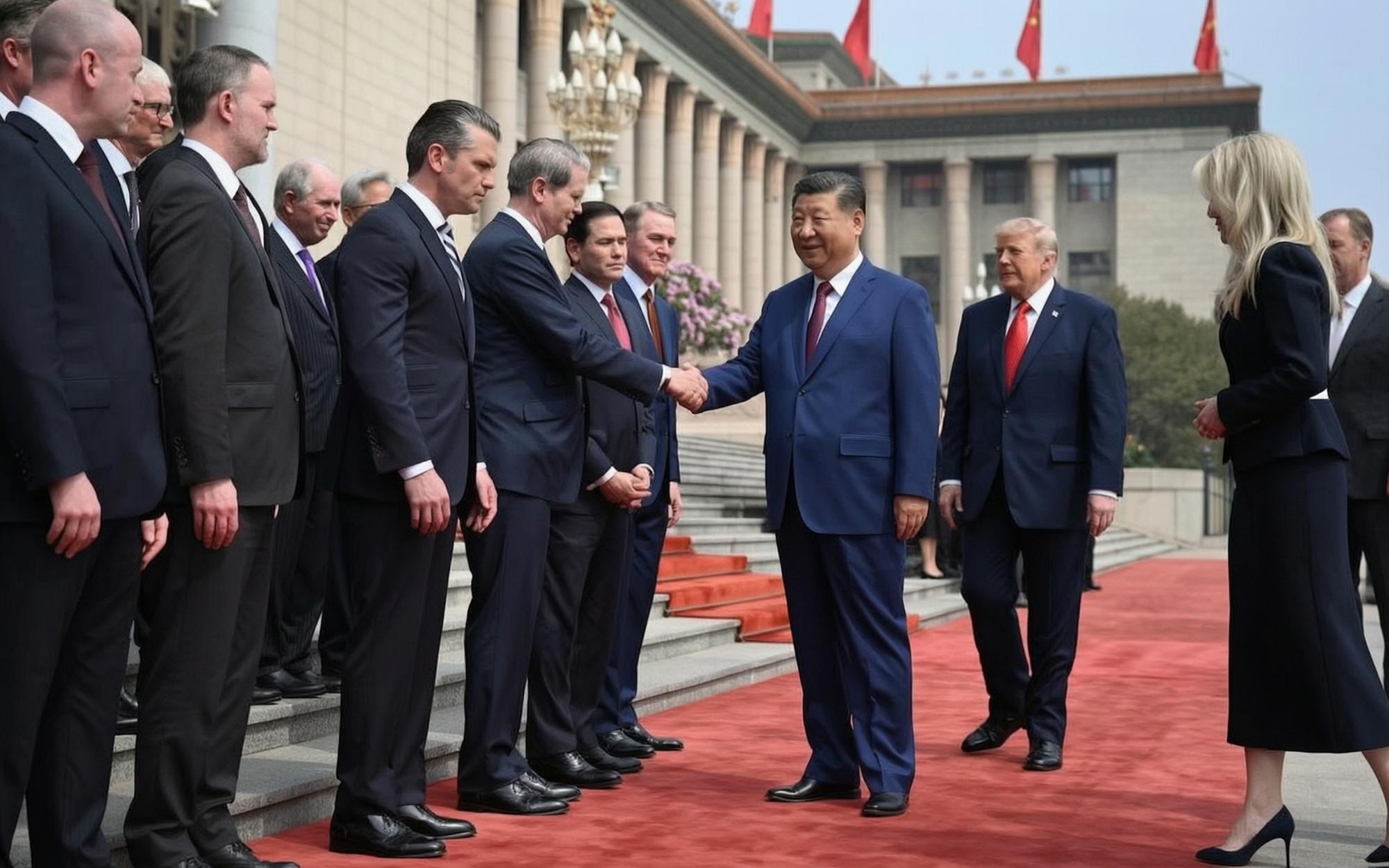
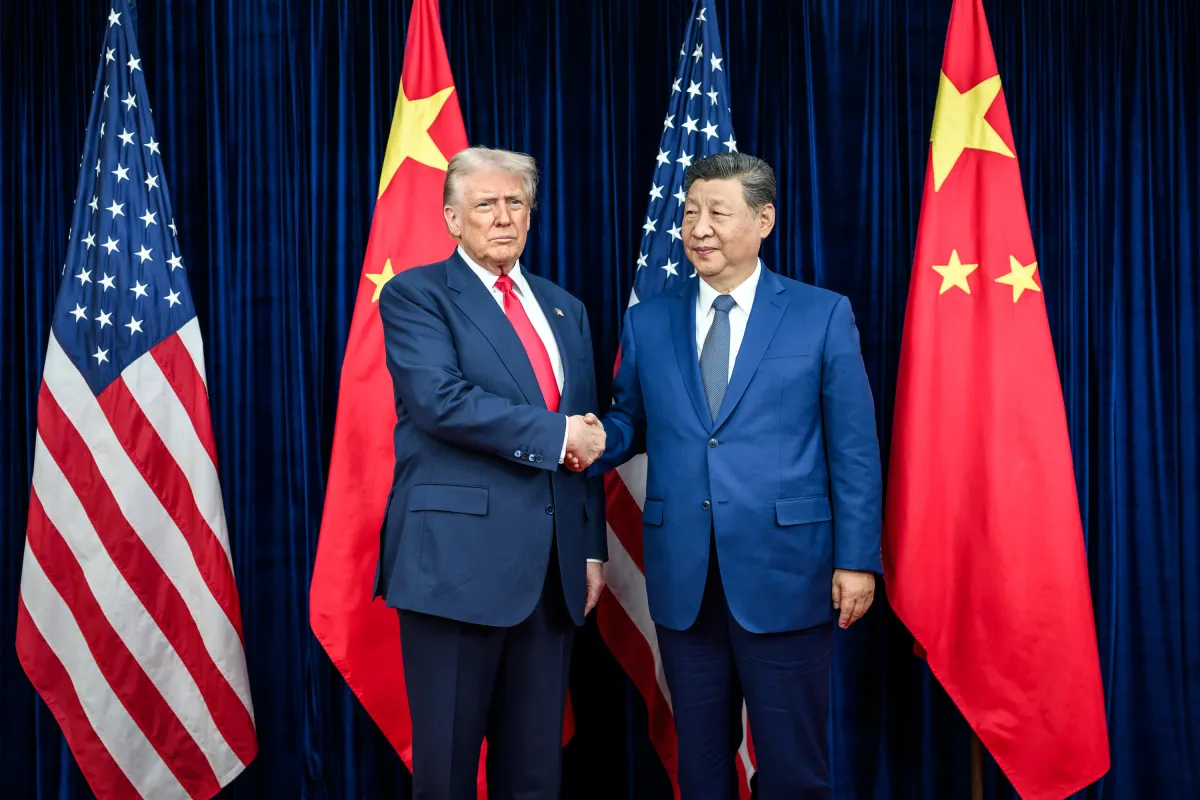
China is signaling a rare opening in its trade relationship with the United States after President Donald Trump’s summit with President Xi Jinping in Beijing, announcing plans to lower tariffs and expand access for U.S. agricultural exports.
The move, described by Chinese officials as a “preliminary agreement” pending final details, marks one of the most significant gestures toward trade normalization since the two nations’ tariff battles rocked global markets years ago.
The Chinese Commerce Ministry said both sides agreed to pursue reciprocal reductions in tariffs and tackle non-tariff barriers that have stifled bilateral farm trade.
For American producers hit hard by years of restricted access, these signals suggest a long-awaited reopening of one of their most critical export markets.
Here's What They're Not Telling You About Your Retirement
U.S. farm exports to China fell nearly 66 percent year over year to $8.4 billion in 2025 after multiple rounds of tit-for-tat tariffs slammed the sector.
Soybean shipments, long the backbone of the U.S.-China agricultural relationship, were particularly devastated as Chinese state-controlled firms became the only authorized buyers while private importers sat idle under steep duties.
According to analysts, Beijing may cut tariffs on soybeans by around 10 percent, enough to lure private Chinese crushers back into the market.
Johnny Xiang, founder of AgRadar Consulting, said that “tariff reductions on agricultural products would mark a normalization of China-U.S. farm trade, allowing commercial buyers to re-enter the market.”
This Could Be the Most Important Video Gun Owners Watch All Year
His comments capture growing optimism that the trade pipeline—once reduced to a trickle—could soon flow again.
The ministry also said that both sides intend to make “substantive progress” on non-tariff issues, including the registration of beef facilities and poultry exports from specific American states.
China’s restrictions on certain categories of U.S. meat have long been a sticking point, frustrating American producers eager for consistent access to China’s huge consumer base.
In a move likely designed to signal good faith ahead of final negotiations, Beijing extended five-year registration renewals to 425 U.S. beef plants that had been blocked due to lapsed approvals and added 77 new facilities to its authorized list.
Such approvals are a prerequisite for any significant expansion in exports of beef, poultry, and pork to China—sectors that U.S. trade officials have identified as priorities.
U.S. Trade Representative Jamieson Greer stated that the United States expects China to purchase “double-digit billions” of American farm goods over the next three years.
While specifics remain vague, the comment underscores Washington’s belief that China is ready to move beyond symbolic gestures toward concrete trade flows.
Greer’s tone reflected cautious optimism, stressing that American farmers are prepared to deliver if Beijing follows through.
Since late last year, China has resumed purchasing limited quantities of U.S. commodities, including large sorghum shipments and modest volumes of wheat.
It also began fulfilling a U.S.-stated commitment to buy 12 million metric tons of soybeans by February—a sign that agricultural cooperation is once again viable.
These early moves suggest that the thaw is already producing tangible effects on global grain markets.
The larger question for both sides is whether this agricultural détente can anchor broader stability in economic relations, or if it will simply serve as a temporary patch amid ongoing geopolitical competition. F
or Trump, reaching progress on farm trade carries political weight back home, where rural states depend heavily on exports to sustain livelihoods and local economies.
Analysts point out that a successful farm deal could also anchor a more predictable pricing environment for agricultural commodities.
Soybean futures, for example, have swung wildly in recent years as traders tried to guess Beijing’s next policy move. Clarity on China’s purchasing plans could restore stability and improve farmers’ ability to hedge effectively.
Critics warn, however, that “preliminary” language in the agreement leaves much to interpretation.
China’s record of slow implementation and bureaucratic hurdles can frustrate exporters even after formal accords are signed. Non-tariff barriers, including restrictive sanitary certifications and sudden policy shifts, have repeatedly undercut U.S. agricultural access in the past.
Still, momentum appears real. With both sides under pressure to show results, even partial tariff relief could breathe new life into an industry battered by global competition, costly inputs, and slowing demand growth elsewhere.
Agriculture, once at the center of trade conflict, might become the first bridge to a calmer era of commercial cooperation.
For the financial markets, the deal hints at thawing tensions that could ripple far beyond crops and cattle.
Reduced trade friction would ease inflationary pressures on imported food prices and may stabilize currency conditions that have been distorted by years of tariffs and uncertainty.
The Trump-Xi summit delivered few clear details, but the tone—constructive and forward-looking—marked a shift from years of hostility.
Investors and exporters alike will be watching closely for how quickly paperwork turns into purchase orders. Until then, the promise of lower tariffs, broader access, and gradual normalization is enough to spark hope that U.S. agriculture might finally be turning a long, bruising page.
DISCLAIMER: GoldInvestors.news is not a registered investment, legal or tax advisor or broker/dealer. All investment/financial opinions expressed by GoldInvestors.news are from the personal research and experience of the owner of the site and are intended as educational material. Although best efforts are made to ensure that all information is accurate and up to date, occasionally unintended errors and misprints may occur.
Join the Discussion
COMMENTS POLICY: We have no tolerance for messages of violence, racism, vulgarity, obscenity or other such discourteous behavior. Thank you for contributing to a respectful and useful online dialogue.