WHAT YOU NEED TO KNOW
- China agreed to import at least 10 million metric tons of US coal in both 2027 and 2028.
- The two countries will pursue more favorable tariffs covering $30 billion of goods described as not sensitive.
- New working groups will address agricultural market access, investment opportunities and investment barriers.
- Washington and Beijing will continue discussions involving critical minerals, refined petroleum products and artificial intelligence.
DISCLAIMER: GoldInvestors.news is not a registered investment, legal or tax advisor or broker/dealer. All investment/financial opinions expressed by GoldInvestors.news are from the personal research and experience of the owner of the site and are intended as educational material. Although best efforts are made to ensure that all information is accurate and up to date, occasionally unintended errors and misprints may occur.
China has agreed to import at least 10 million metric tons of coal from the United States in 2027 and the same amount again in 2028, according to the White House. The commitment marks further progress in easing trade friction between the two countries.
The coal purchases form part of an agreement reached through the newly operationalized United States and China Board of Trade. The arrangement extends beyond energy and includes efforts to secure more favorable treatment for a broad selection of traded goods.
The two sides will pursue more favorable tariffs covering $30 billion of goods described as not sensitive from both countries, the White House said in a statement. The tariff component spans products from agriculture and seafood to consumer goods and medical equipment.
American products eligible for preferential tariffs include agricultural goods, seafood, timber, cosmetics and medical devices. Those categories give the tariff discussions a wide reach across industries identified in the White House statement.
Chinese products covered by the agreement include small appliances, toys, holiday decorations and children’s car seats. Those consumer categories are among the goods set to receive the more favorable tariff treatment being pursued by Washington and Beijing.
The agreement therefore combines a specific commitment on American coal with a broader tariff initiative involving products moving in both directions. The White House presented the measures as part of continued progress in reducing trade tensions between the world’s two largest economies.
Agriculture will receive additional attention through a working group launched by the two countries. That group will focus on addressing barriers to market access in a sector that has long occupied a central place in bilateral trade negotiations.
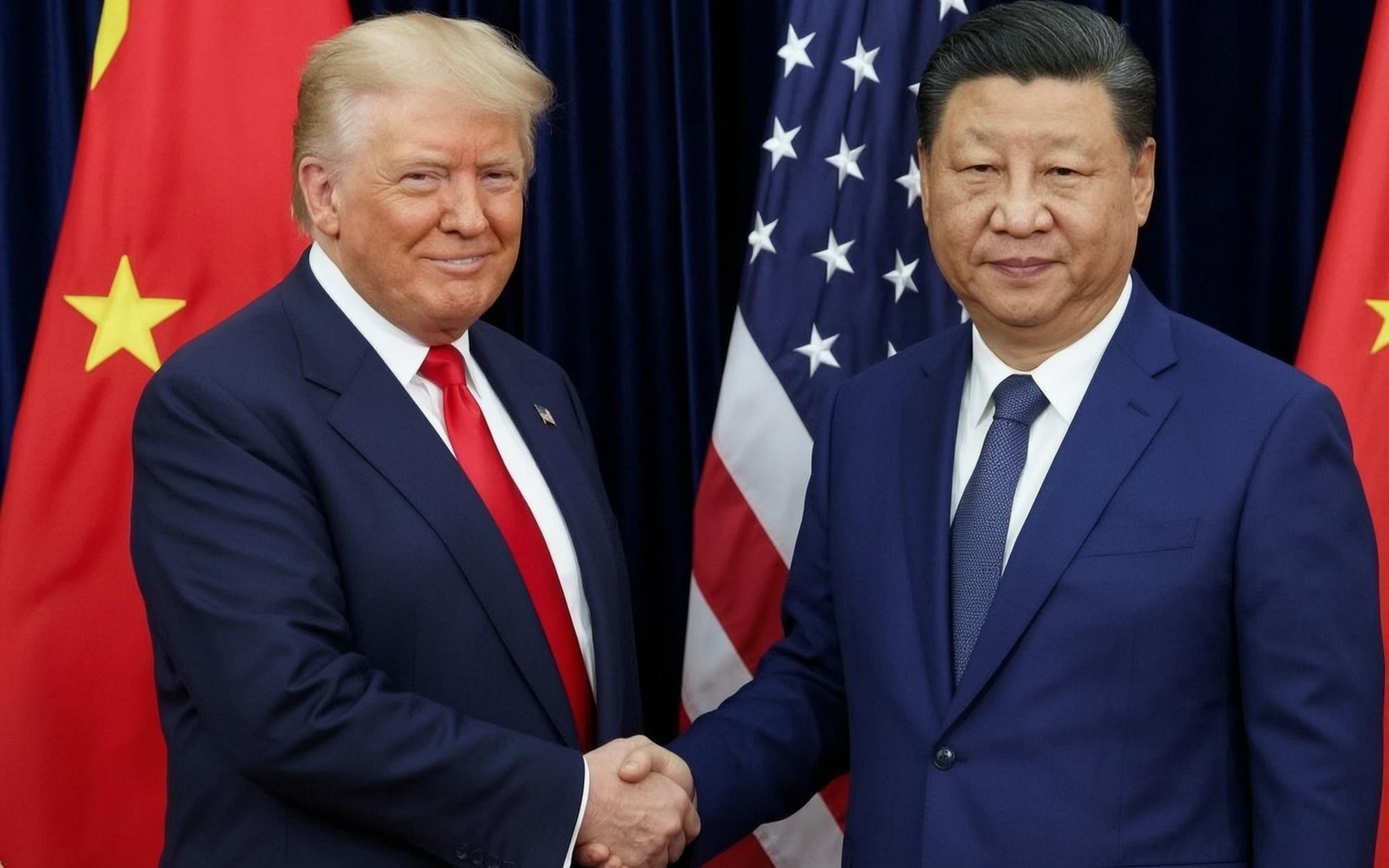
The working group gives the two governments a dedicated forum for examining agriculture related obstacles. Its creation accompanies the preferential tariff effort and the commitment by China to make large coal purchases in two consecutive years.
Washington and Beijing also established a Board of Investment separate from the trade body. The investment panel is intended to discuss opportunities and work through impediments affecting investment between the two countries.
The Board of Investment adds another formal channel to the expanding economic discussions. According to the White House statement, its mission covers both potential investment opportunities and barriers that stand in the way of those investments.
Critical minerals remain on the agenda as well. The two sides said they would continue working on American concerns about supply chain shortages involving rare earths and other critical minerals, according to the statement.
The agreement did not end the critical minerals discussions. Instead, Washington and Beijing committed to keep working on the supply issues identified by the United States while advancing cooperation in coal, tariffs, agriculture and investment.
President Donald Trump also urged Chinese leader Xi Jinping to increase production of refined petroleum products. The request was aimed at helping stabilize global supply, adding another energy issue to talks that already produced the two year coal commitment.
Trump and Xi also agreed to maintain dialogue on emerging technologies. Their next exchange concerning artificial intelligence is scheduled to take place by November, extending the discussions beyond trade in physical goods and investment barriers.
The White House announcement brings several economic tracks under one framework, including coal purchases, tariff treatment, agricultural access, investment impediments and critical mineral supplies. It also leaves room for continued talks on refined petroleum products and artificial intelligence.
China’s coal pledge remains the agreement’s most concrete purchasing commitment. Beijing is set to import at least 10 million metric tons from the United States in 2027, followed by at least another 10 million metric tons in 2028.
DISCLAIMER: GoldInvestors.news is not a registered investment, legal or tax advisor or broker/dealer. All investment/financial opinions expressed by GoldInvestors.news are from the personal research and experience of the owner of the site and are intended as educational material. Although best efforts are made to ensure that all information is accurate and up to date, occasionally unintended errors and misprints may occur.
Join the Discussion
COMMENTS POLICY: We have no tolerance for messages of violence, racism, vulgarity, obscenity or other such discourteous behavior. Thank you for contributing to a respectful and useful online dialogue.