WHAT YOU NEED TO KNOW
- China announced a $30 billion reciprocal tariff reduction arrangement with the United States following Xi Jinping’s Washington visit.
- The countries agreed to establish a trade council and continue outcomes from earlier negotiations in Kuala Lumpur.
- Washington and Beijing will launch an AI dialogue, with another round scheduled for November and a communication channel planned for AI incidents.
- The existing trade truce was extended by two months, creating more time to pursue a potentially larger trade agreement.
- The leaders also addressed Iran, international waterways, and support for upcoming Asia-Pacific Economic Cooperation and Group of 20 gatherings.
DISCLAIMER: GoldInvestors.news is not a registered investment, legal or tax advisor or broker/dealer. All investment/financial opinions expressed by GoldInvestors.news are from the personal research and experience of the owner of the site and are intended as educational material. Although best efforts are made to ensure that all information is accurate and up to date, occasionally unintended errors and misprints may occur.
China said Saturday that it had reached an agreement with the United States on a $30 billion reciprocal tariff reduction arrangement, marking a significant economic outcome from President Xi Jinping’s visit to Washington.
The tariff agreement was included in an eight point consensus reached during Xi’s meetings with President Donald Trump. Beijing also announced plans for a formal dialogue with Washington concerning artificial intelligence.
The two governments agreed to establish a trade council, according to the Chinese Foreign Ministry. They also agreed to extend the outcomes of earlier negotiations held in Kuala Lumpur.
The latest announcement followed an earlier decision by the world’s two largest economies to extend their existing trade truce by two months. That truce had been scheduled to expire on Nov. 10.
U.S. Treasury Secretary Scott Bessent said Wednesday that the extension would provide more time for the countries to work toward a potentially bigger trade agreement. The latest arrangement gives those negotiations additional room to continue.
Xi and Trump concluded their three day summit on Friday. The meetings highlighted personal diplomacy between the two leaders, although they produced few major public breakthroughs beyond the areas disclosed by Beijing.
Xi subsequently returned to Beijing, according to a Saturday report from Chinese state news agency Xinhua. China’s account of the summit emphasized a series of agreements covering trade, technology, international gatherings and foreign policy.
Artificial intelligence emerged as a notable part of the consensus. The United States and China agreed to begin a dialogue focused on both the risks and benefits associated with the technology, the Chinese Foreign Ministry said.
The next round of AI discussions is scheduled for November. The two sides also agreed to create a communication channel for incidents involving artificial intelligence, adding another mechanism for direct contact between the governments.
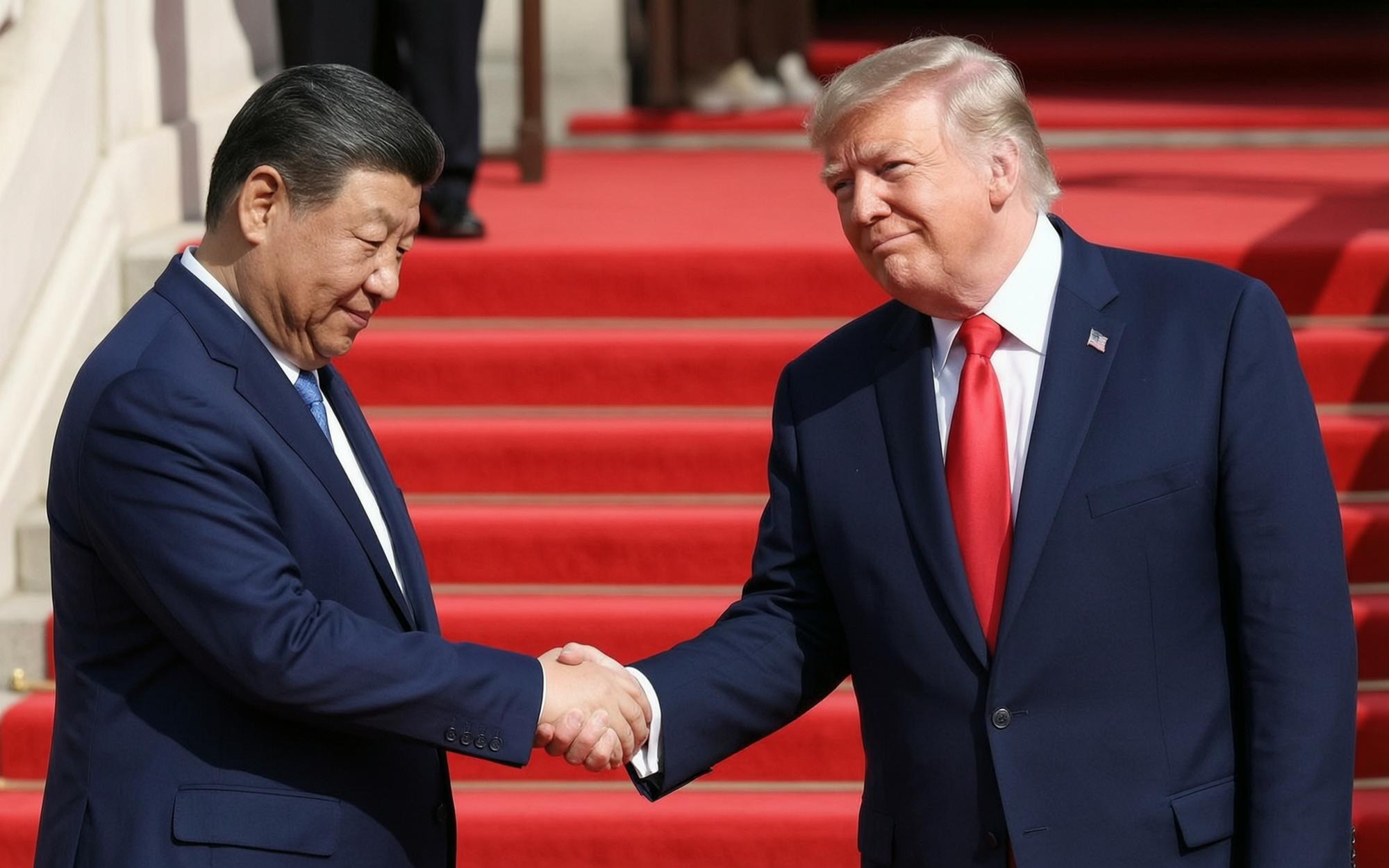
The technology talks accompany the $30 billion tariff arrangement and the planned trade council. Together, those measures represent the principal economic and technological developments publicly outlined by China after Xi’s Washington visit.
The governments also addressed major international gatherings. They agreed to support each other in hosting the Asia-Pacific Economic Cooperation leaders’ meeting and the Group of 20 summit.
Both Trump and Xi plan to attend the gatherings hosted by the other country, according to the Chinese Foreign Ministry. Trump had previously discussed those plans in a social media post.
Foreign policy was also included in the eight point consensus. The leaders agreed that Iran should fulfill its commitment not to develop nuclear weapons, according to the ministry’s account.
China said the leaders further agreed that no country or entity should impose transit tolls on international waterways. The ministry did not provide additional details concerning that portion of the agreement.
The summit placed considerable weight on direct engagement between Trump and Xi rather than a collection of sweeping public announcements. Even so, Beijing’s statement identified concrete areas where the two governments intend to continue discussions and cooperation.
The two month extension of the trade truce prevents its previously scheduled Nov. 10 expiration while negotiations continue. Bessent’s comments indicated that the additional time could be used to pursue a potentially larger trade deal.
China’s announcement framed the tariff reduction arrangement, trade council and AI dialogue as interconnected elements of the broader consensus. The next scheduled AI discussions in November provide one clear timetable for following through on the agreements.
The U.S. Embassy in Beijing did not immediately respond to a Reuters request for comment. As a result, the detailed public account of the eight point consensus came from the Chinese Foreign Ministry.
The Washington summit ultimately produced a mixture of economic commitments, diplomatic coordination and plans for further talks. Its most prominent disclosed result was the $30 billion reciprocal tariff reduction arrangement between the two economic powers.
DISCLAIMER: GoldInvestors.news is not a registered investment, legal or tax advisor or broker/dealer. All investment/financial opinions expressed by GoldInvestors.news are from the personal research and experience of the owner of the site and are intended as educational material. Although best efforts are made to ensure that all information is accurate and up to date, occasionally unintended errors and misprints may occur.
Join the Discussion
COMMENTS POLICY: We have no tolerance for messages of violence, racism, vulgarity, obscenity or other such discourteous behavior. Thank you for contributing to a respectful and useful online dialogue.